0 (0 Reviews)
From: €0.00
0
(0 review)
Check
Duration

7 Days 6 Nights

Tour Type

Daily Tour

Group Size

6 people

Languages

English

About this tour

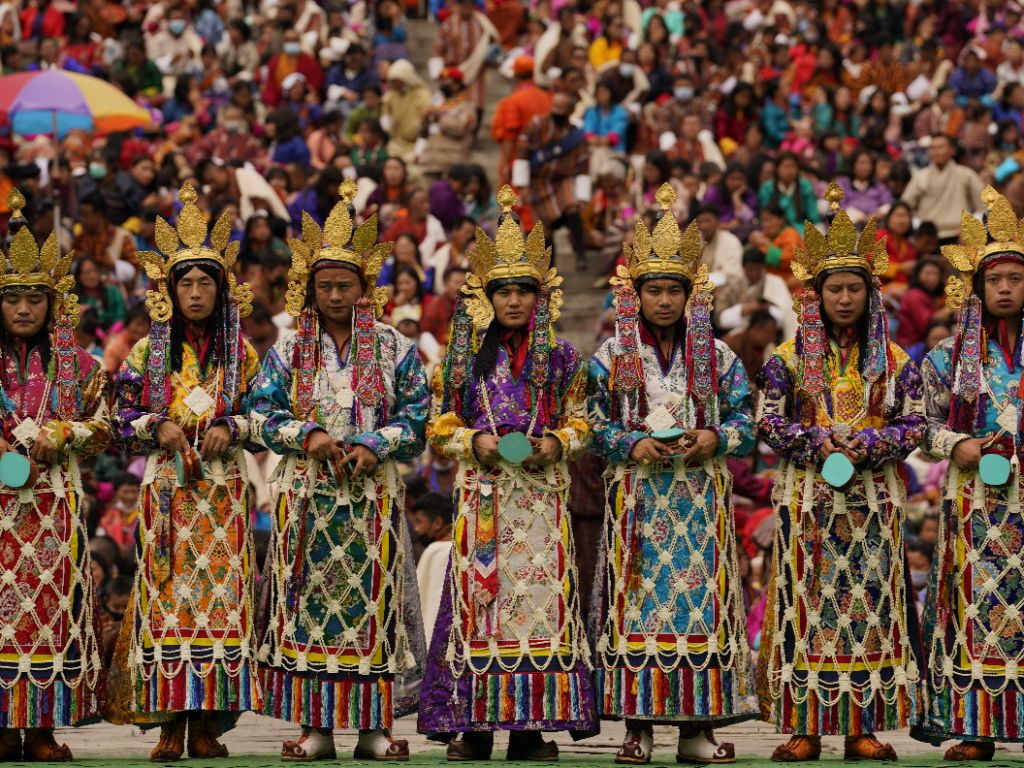
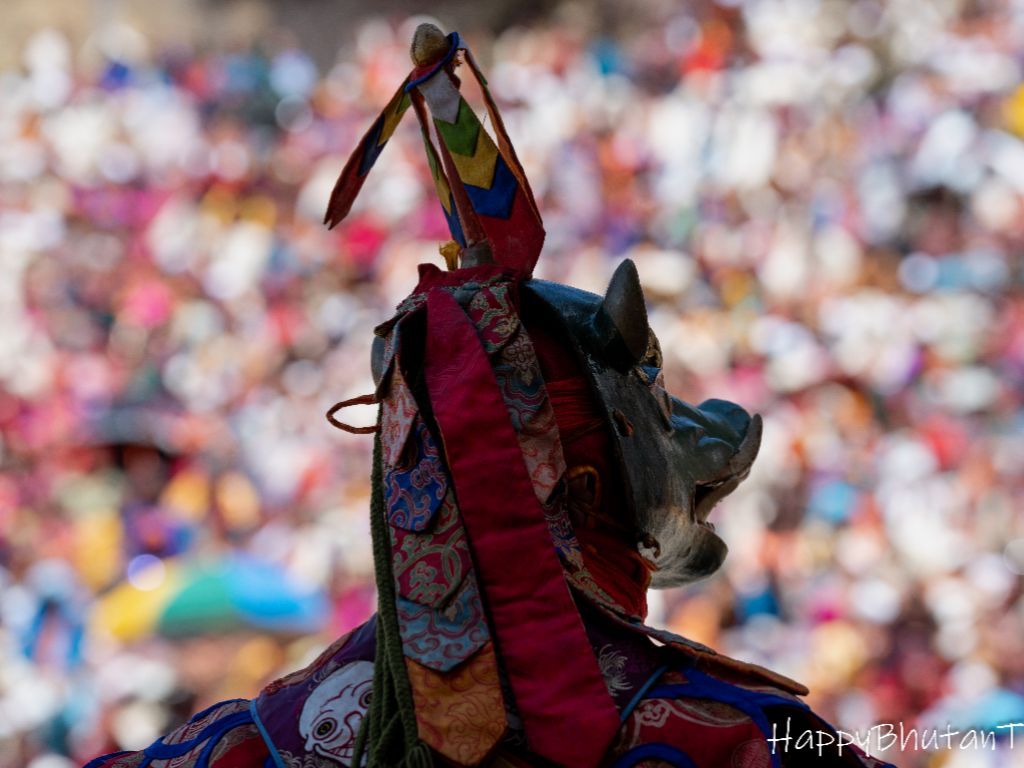
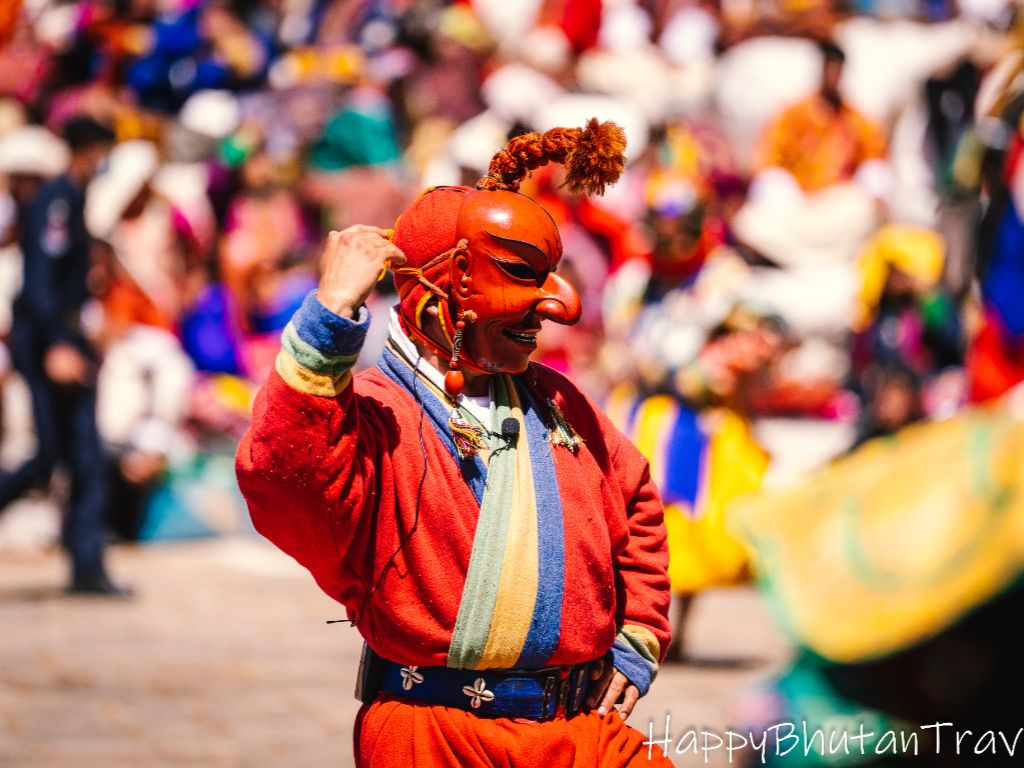
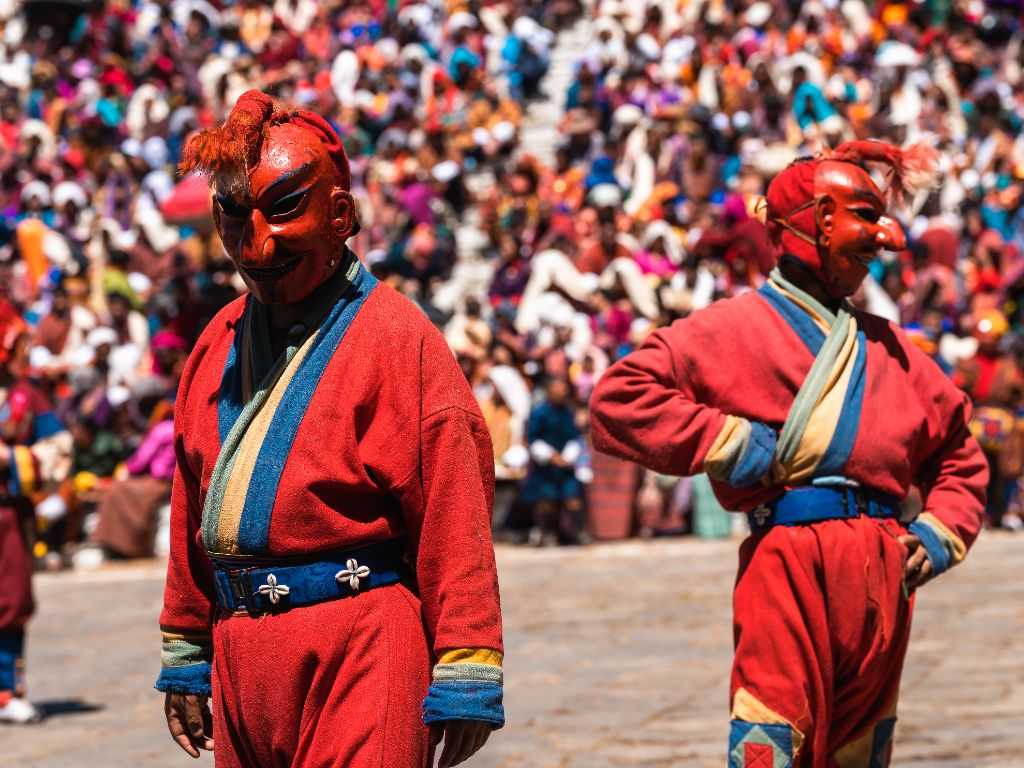
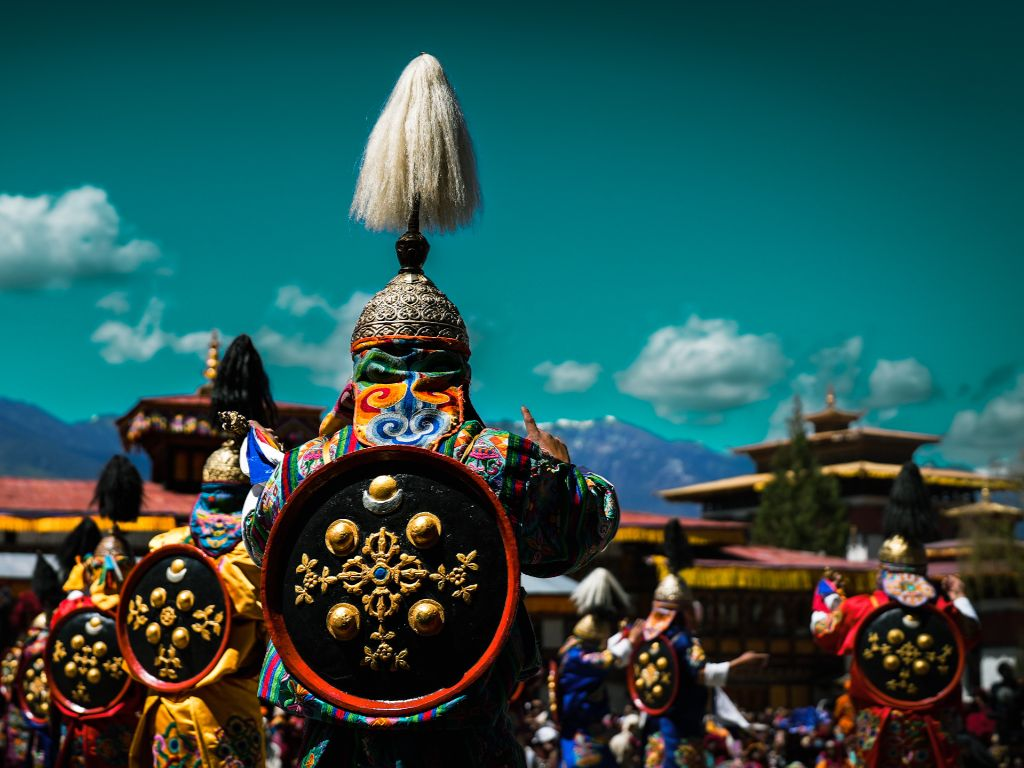
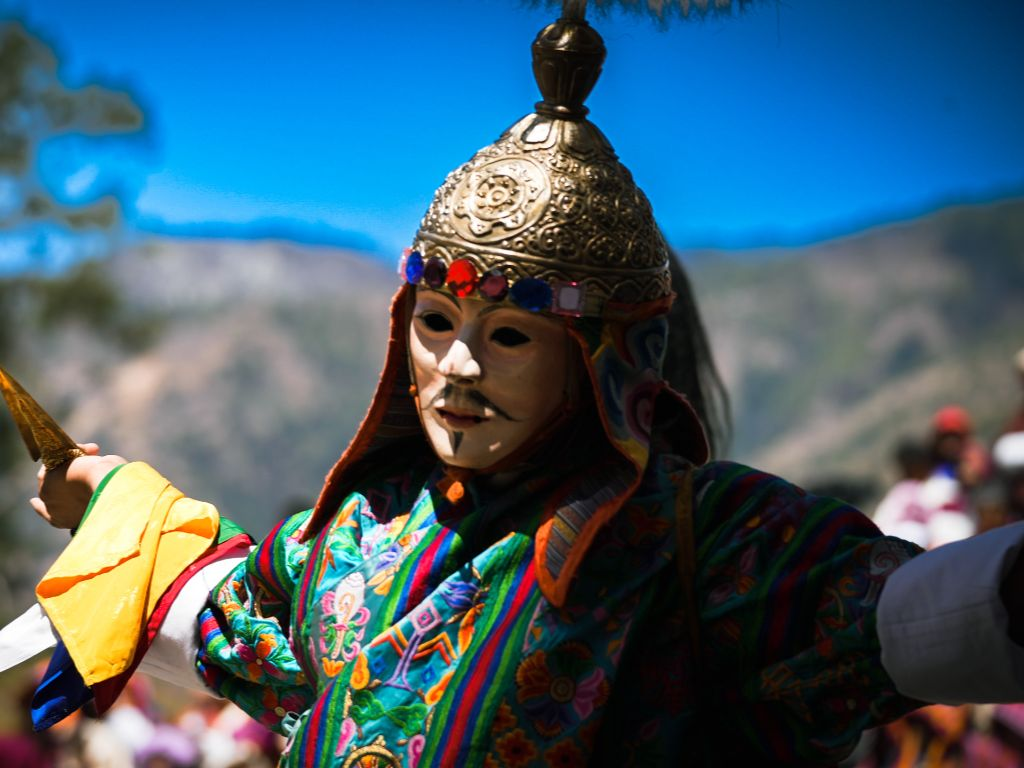
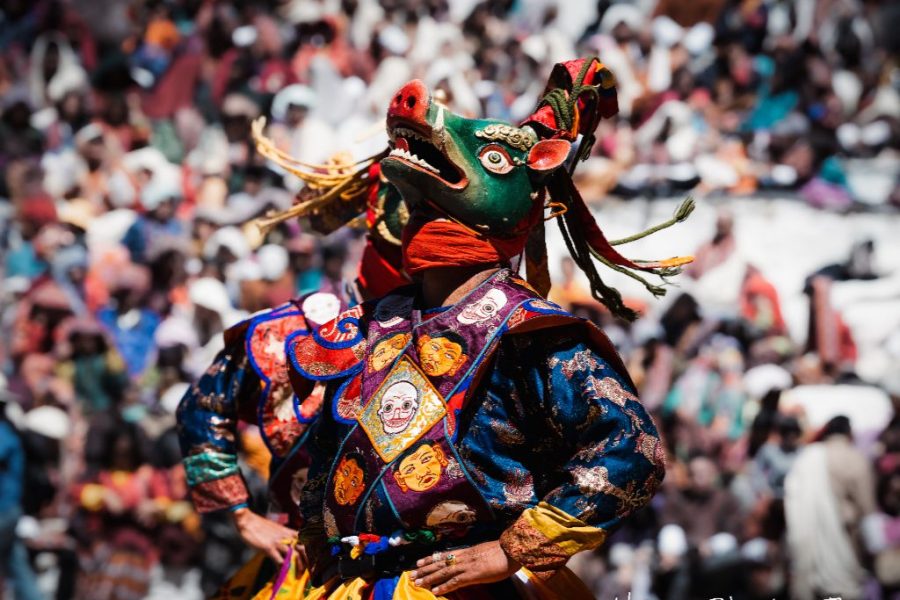
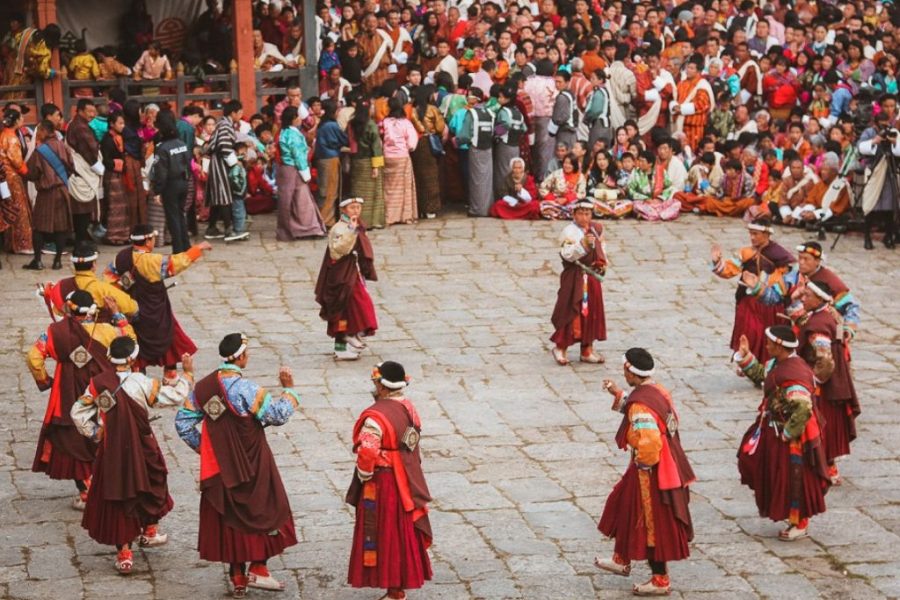
Step into the heart of Bhutanese spiritual life at the kingdom’s most magnificent festival, where ancient masked dances swirl in a kaleidoscope of color and faith. Established in 1670 by the Fourth Temporal Ruler Tenzing Rabgye, the Thimphu Tsechu transforms the capital’s grand Tashichho Dzong into a living theater of Buddhist philosophy, performed by monks and laymen in elaborate silk brocade costumes. This seven-day journey immerses you in the pageantry of the festival while unveiling Bhutan’s cultural treasures: from the cliffside sanctuary of Taktsang Monastery to the riverine splendor of Punakha Dzong, from mountain passes draped in prayer flags to bustling markets where locals trade heirloom produce. You’ll join thousands of Bhutanese villagers—many who have walked for days in their finest ghos and kinas—to witness sacred cham dances that have remained unchanged for centuries. This is Bhutan at its most vibrant: a celebration where every gesture, drumbeat, and mask tells a story of enlightenment.

Thimphu Tsechu Dates & Significance
Held annually in September/October (dates vary by lunar calendar), the Thimphu Tsechu honors Guru Rinpoche and the teachings of the Drukpa Kagyu lineage. The festival’s centerpiece is the unveiling of the thongdrol (giant silk thangka) at dawn—a moment where simply viewing the sacred image is believed to confer liberation from negative karma.
Sacred Dances (Cham) You’ll Witness:
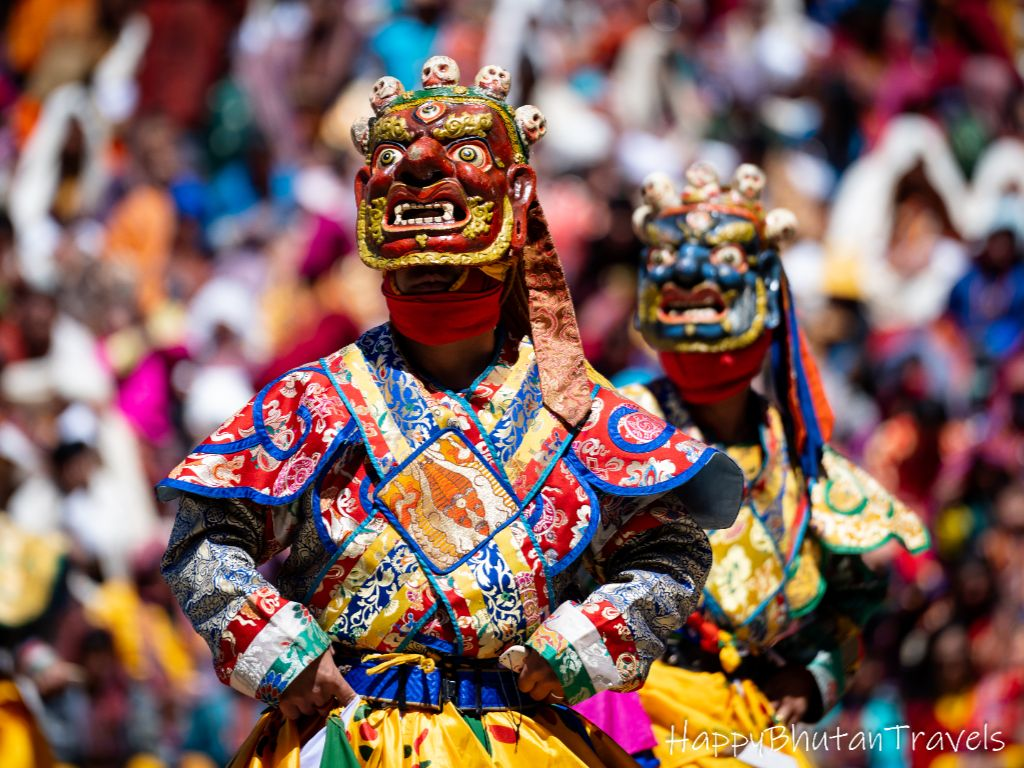
  • Dance of the Lords of the Cremation Grounds (Durdag): Skeletal masks teaching impermanence
  • Dance of the Terrifying Deities (Tungam): Subjugation of evil through wrathful compassion
  • Dance of the Eight Manifestations of Guru Rinpoche: Depicting the saint’s miraculous forms
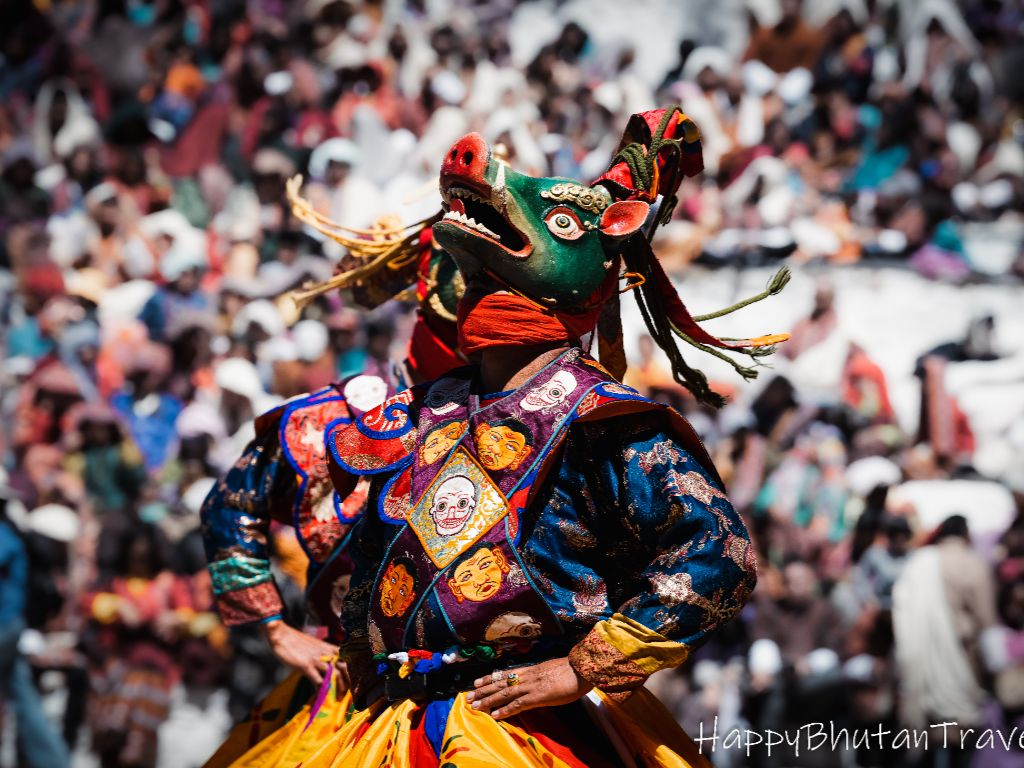
  • Dance of the Stags (Shawa Shachhi): Milarepa’s conversion of a hunter
  • Raksha Mangcham: The Dance of Judgment, showing the afterlife journey before the Lord of Death
What to Expect at the Festival:
  • Arrive early to secure good viewing spots in the dzong courtyard
  • Photographs are permitted during dances but not during certain sacred rituals
  • Locals appreciate respectful observation; ask before photographing individuals
  • Bring a hat and sunscreen—the courtyard is open-air with minimal shade
  • The festival atmosphere is both solemn and celebratory; maintain quiet during prayers

Ready to Celebrate Bhutan’s Living Culture?
The Thimphu Tsechu is more than a festival—it’s a communal meditation, a historical reenactment, and a spiritual gathering that defines Bhutanese identity. Limited to small groups for an intimate experience. Reserve your place in this sacred celebration today.

Highlights

  • Festival Immersion: Attend** Thimphu Tsechu** at the majestic Tashichho Dzong, witnessing sacred masked dances performed by monks in silk brocade and the unveiling of a giant thangka (thongdrol) at dawn
  • Guru Rinpoche's Legacy: Experience cham dances that depict the eight manifestations of Padmasambhava, the saint who brought Buddhism to Bhutan in 747 CE
  • Sacred Architecture: Visit the massive Tashichho Dzong (fortress of the glorious religion), the riverside Punakha Dzong (1637), and cliff-perched Rinpung Dzong (Paro)
  • Tiger's Nest Pilgrimage: Ascend to Taktsang Monastery (3,120m), Bhutan's holiest site, clinging 900 meters above the Paro Valley
  • Ancient Temples: Explore 12th-century Changangkha Temple, fertility shrine Chimi Lhakhang (1499), and the National Memorial Chorten with its golden spires
  • Mountain Pass Drama: Cross Dochu La (3,100m) with its 108 memorial chortens and panoramic Himalayan views extending to Gangkar Puensum
  • Cultural Encounters: Stroll through Thimphu's Centenary Farmers Market (weekends), visit the National Library housing 8th-century scriptures, and tour the Folk Heritage Museum's medieval farmhouse replica
  • Scenic Hikes: Trek to Khamsum Yuelley Namgyal Chorten in Punakha, crossing rice terraces and suspension bridges
  • Value-Added Experiences: Optional cooking lessons, meditation sessions with monks, or traditional hot stone baths

Included/Excluded

  • All meals [Breakfast / lunch / dinner and evening tea / coffee].
  • Entrance fees for museums and monuments.
  • Accommodation [twin / double sharing basis]. Single room supplement is extra.
  • All transportation within the country, including airport transfers.
  • SDF & government taxes.
  • Bhutan visa fee.
  • English-speaking local guide.
  • Sightseeing.
  • Bottled water.
  • Drukair/Bhutan Airlines fares.
  • Insurance premiums.
  • Single room supplement charges
  • Payments for service provided on a personal basis.
  • Cost for any services not mentioned in the “Cost Include head”.
  • Personal expenses such as laundry, incidentals, horse rides, rafting, bellboy charges, tips for guide & driver.
  • Alcoholic beverages and soft drinks, etc.

Itinerary

Your Druk Air flight offers a jaw-dropping aerial panorama of the eastern Himalayas as you bank into the sacred Paro Valley. Upon landing at Paro International Airport (2,200m)—one of the world's most challenging approaches—your guide greets you with a ceremonial khadar scarf and assists with customs formalities.
 
After lunch, begin your cultural orientation at the Ta Dzong Museum, a 1649 watchtower converted into Bhutan's National Museum in 1968. Its conch-shell galleries house a rare 1,000-armed Avalokiteshvara thangka, ancient weaponry, and a famed collection of 3D stamps. Continue to Rinpung Dzong (Paro Dzong), the 15th-century "Fortress of the Heap of Jewels," where a gold-leafed painting of Milarepa—the enlightened meditation master—adorns the inner temple. Walk across the traditional wooden cantilevered bridge spanning the Paro Chhu River.
 
Depart for Thimphu (1.5 hours), tracing the Pa Chhu River through pine forests. Before dinner, your guide provides an orientation on Bhutanese etiquette, teaching the proper way to receive blessings and interact with monks. Check into your Thimphu hotel at 2,320 meters.

Rise early to reach Tashichho Dzong as the first rays illuminate its whitewashed walls. Originally erected in 1641 by Shabdrung Ngawang Namgyal and rebuilt in the 1960s without nails or blueprints, this fortress-monastery is the seat of Bhutan's government and central monk body. During Tsechu, its vast courtyards transform into open-air theaters.
 
Spend the day immersed in the festival's sacred dances:
  • Dance of the Lords of the Cremation Grounds (Durdag), performed in skeletal masks symbolizing impermanence
  • Dance of the Terrifying Deities (Tungam), where dancers wield ritual daggers to subdue evil spirits
  • Dance of the Stag and Hounds (Shawa Shachhi), retelling Milarepa's conversion of a hunter
Between dances, observe thousands of locals in their finest ghos (men's knee-length robes) and kinas (women's ankle-length dresses), socializing and receiving blessings. The thongdrol (giant silk thangka) is unfurled at dawn—a sacred moment where simply viewing it is said to cleanse sins. Lunch is a picnic-style affair in the festival grounds, with your guide explaining the symbolism of each performance. Return to your hotel for dinner and rest.

Morning: Visit the National Memorial Chorten, a golden-spired stupa where elderly devotees circumambulate spinning prayer wheels in memory of the Third King. Continue to the 12th-century Changangkha Temple, perched on a ridge above the city, where parents bring infants for naming ceremonies and blessings. The temple's resident astrologer reads fortunes based on birth charts.
 
Afternoon: Return to Tashichho Dzong for the festival's final day, which typically features the Dance of the Eight Manifestations of Guru Rinpoche and the dramatic Raksha Mangcham (Dance of the Judgment of the Dead), depicting the afterlife journey where the Lord of Death weighs good deeds against sins on a scale.
 
Evening at leisure—perhaps explore Thimphu's craft bazaar for handwoven textiles or visit a local archery ground to watch Bhutan's national sport. Overnight in Thimphu.

Depart Thimphu, driving over the Dochu La Pass (3,100m) where 108 gleaming white chortens commemorate Bhutan's victory over insurgents. On clear mornings, the pass reveals a 360-degree panorama of the eastern Himalayan range, from Masangang to Gangkar Puensum—the world's highest unclimbed peak. The descent passes through rhododendron forests that blaze crimson and pink in spring.
Arrive in balmy Punakha Valley (1,200m) and visit Punakha Dzong, the "Palace of Great Happiness." Built in 1637 at the confluence of the Mo Chhu and Pho Chhu rivers, this architectural masterpiece features four entrance pillars embossed with gold and silver, crafted from single cypress trunks. It remains the winter headquarters for Je Khenpo and 600 monks who migrate en masse from Thimphu.
After lunch, enjoy a 20-minute walk through golden rice terraces to Chimi Lhakhang, the 1499 "Temple of the Divine Madman" (Drukpa Kuenley). The temple's fertility blessings draw childless couples; receive a traditional blessing from the monk using a wooden phallus, symbolizing protection and prosperity. Overnight in Punakha/Wangduephodrang.

Morning: Drive to Yabesa village and hike 1 hour uphill through rice fields to Khamsum Yuelley Namgyal Chorten, a four-story shrine built by Queen Mother Ashi Tshering Yangdon Wangchuck. Its Nyingmapa tradition murals and panoramic valley views reward the effort. Crossing a suspension bridge over the Mo Chhu River adds adventure.
 
Afternoon: Return to Thimphu for lunch and visit the National Library, housing ancient Bhutanese scriptures printed on handmade paper and the world's largest published book—a 130-pound illustrated chronicle of Buddhist teachings. Tour the Folk Heritage Museum, featuring a meticulously reconstructed medieval farmhouse with authentic tools, kitchen implements, and a hot stone bath.
 
If your visit coincides with a weekend, explore the Centenary Farmers Market, where vendors display mountains of fiery chilies, fresh yak cheese, organic produce, and handicrafts. This is Thimphu's social heart, where valley farmers trade stories and urbanites shop for heirloom ingredients. Afterwards, drive to Paro (1 hour), visiting Semtokha Dzong en route. Check into your Paro hotel. Overnight in Paro.

After breakfast, drive to the Taktsang trailhead. The 2-hour uphill hike climbs nearly 900 meters through pine forests where prayer flags span deep chasms. For those unable to hike, horses can be arranged to the viewpoint cafeteria. Arrive at the Taktsang Monastery viewing point, where the 17th-century complex appears impossibly glued to a sheer cliff face. The monastery is built around the cave where Guru Rinpoche meditated for three months in 747 CE, arriving on a tigress's back to subdue demons and establish Buddhism.
 
Explore the temples where butter lamps flicker before gold statues, then descend for refreshments at a teahouse. Afternoon: Drive to Drukgyel Dzong ruins, originally built in 1647 to commemorate Shabdrung's victory over Tibetan invaders. In clear weather, the sacred pyramid of Mount Jomolhari (7,314m) dominates the northern horizon. Visit Kyichu Lhakhang, one of Bhutan's oldest temples (7th century), featuring a miraculous orange tree that bears fruit year-round and a statue of Jowo Jampa said to be from the time of King Songtsen Gampo. Evening free for souvenir shopping—handwoven kira, dzi beads, or herbal incense. Overnight in Paro.

Breakfast at the hotel, then transfer to Paro International Airport for your onward flight. As Druk Air lifts above the valley, reflect on seven days immersed in Bhutan's living Buddhist culture—where every dance step, prayer flag, and smiling encounter has woven the kingdom's enchantment into your story. Tashi Delek!

Durations

Fullday (+7hours)

Language

English

Frequently asked questions

Visitors of all nationalities, except those from India, require a visa before entering Bhutan. For all visitors, except those from Bangladesh and the Maldives, this visa must be applied for and approved in advance of travel. Visitors from Bangladesh and the Maldives also require a visa, but this can be applied for and approved either in advance of travel or upon arrival in Bhutan. 

Visitors from India are able to apply for a permit but are required to hold an Indian passport or an Indian voter ID card. For Indian nationals under the age of 18, a passport or a birth certificate can be used to enter and they must be accompanied by a legal guardian.

Nationals from Switzerland and Thailand holding diplomatic or government-official passports are eligible for a visa at their port of entry.

You can apply online for a visa here, or if you’re travelling with a tour operator, they may apply on your behalf. Read more about the visa here

Visitors from Bangladesh and the Maldives requiring a visa can apply either online before travelling or in person upon arrival in Bhutan.

The SDF is USD 100 per night for adults from all countries except for India. Children aged between 6 years and who have not yet turned 12 are eligible to pay USD 50 per night. Children who have not yet turned 6 years old do not have to pay any SDF.

The SDF for Indian nationals (showing a valid Indian passport or Voter ID card) is Nu. 1,200 (or the equivalent amount in Indian rupees) per person, per night. Children aged between 6 years and who have not yet turned 12 are eligible to pay Nu./INR 600 per night. Children who have not yet turned 6 years old do not have to pay any SDF.

Yes, the SDF will be refunded by the Department of Immigration for any cancelled or shortened trips; any bank charges will be deducted from the total refunded. Requests for SDF refunds should be submitted online using the visa portal. The refund will be processed after visitors leave Bhutan.

You can change your local currency for ngultrum upon arrival at Paro International Airport or at banks, larger hotels and authorised currency exchange businesses in Thimphu.

You may bring cash equivalent to US$10,000 into the country.

Tour's Location

From: €0.00

Owner

pravinnepal97

Member Since 2025

Information Contact

Email

[email protected]

Website

travelinbhutan.com

Phone

(+975) 17640486 / 77373370

Explore other options