0 (0 Reviews)
From: €0.00
0
(0 review)
Check
Duration

8 Days 7 Nights

Tour Type

Daily Tour

Group Size

6 people

Languages

English

About this tour

This immersive expedition traverses the cultural heartland of Bhutan, revealing the kingdom’s most revered landscapes and living traditions. Over eight days, venture from the modern capital of Thimphu—where ancient monasteries sit alongside contemporary life—through the subtropical Punakha valley with its majestic riverine dzongs, to the pristine alpine wilderness of Phobjikha, winter sanctuary of endangered black-necked cranes. The journey culminates in Paro Valley, where you’ll undertake the pilgrimage to the cliffside Tiger’s Nest Monastery. With included monastery stays, farm-to-table dining, and exclusive encounters with artisans and monks, this itinerary offers an authentic, unhurried exploration of Bhutan’s spiritual essence and natural grandeur, with optional extensions to the hidden Haa Valley.
Package Details
  • Duration: 8 Days / 7 Nights
  • Maximum Altitude: 3,120m (10,240ft) at Tiger’s Nest; optional Chele La Pass 3,988m (13,084ft)
  • Ideal Seasons: March–May (rhododendron blooms, crane departure) & September–November (post-monsoon clarity, festival season)
  • Meals: Full board with authentic Bhutanese cuisine and continental options
  • Accommodation: Curated selection—3★, 4★, Luxury Resorts, Boutique Lodges, Authentic Homestays, or Monastery Guesthouses
  • Transport: Private, climate-controlled Kia Sorento SUV or Toyota HiAce High Roof Luxury Van with certified driver
  • Customization: All itineraries are tailored to your travel dates, interests, group size, and budget. Contact us for a personalized quotation encompassing lodging, meals, permits, entrance fees, expert guiding, private transport, and the Sustainable Development Fee (SDF) of USD 100 per person per night.

Highlights

  • Aerial Himalaya Drama: Witness Mount Everest, Kanchenjunga, and Bhutan's sacred Jomolhari peak during your scenic descent into Paro—one of the world's most spectacular flight approaches
  • Thimphu Cultural Immersion: Explore the kingdom's only capital without traffic lights, including the Heritage Museum's rural artifacts, the Living Textile Museum's weaving demonstrations, and the weekend Centenary Farmers Market where valley villagers trade heirloom produce
  • Spiritual Architecture: Visit Thimphu Dzong (Tashichho Dzong), the summer seat of Bhutan's King and Je Khenpo, plus 17th-century Simtokha Dzong—the kingdom's oldest fortress, now housing a school for Buddhist studies
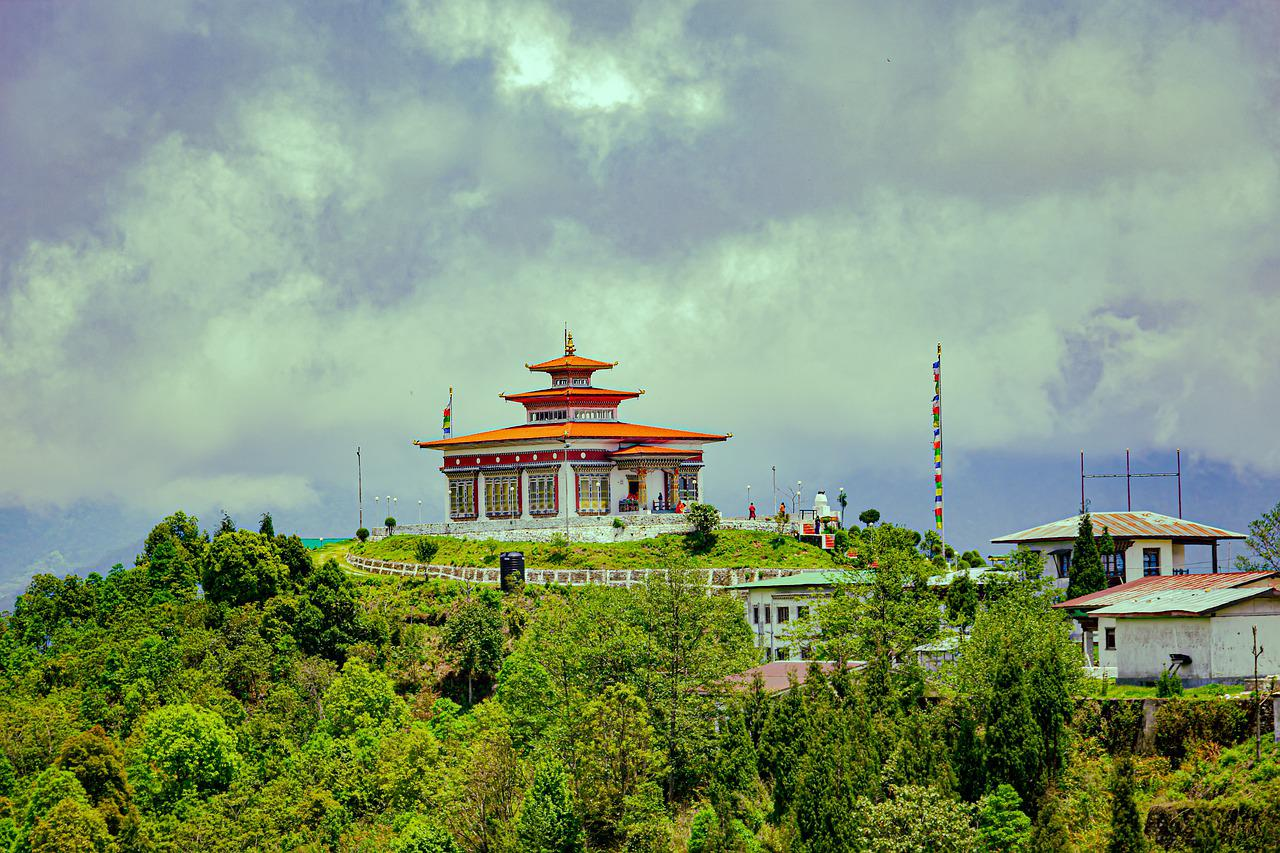
  • Dochula Pass Sanctuary: Stand among 108 gleaming chortens at 3,100m, built by Queen Mother Ashi Dorji Wangmo Wangchuck, with optional 360° Himalayan panoramas extending from Masangang to Gangkar Puensum
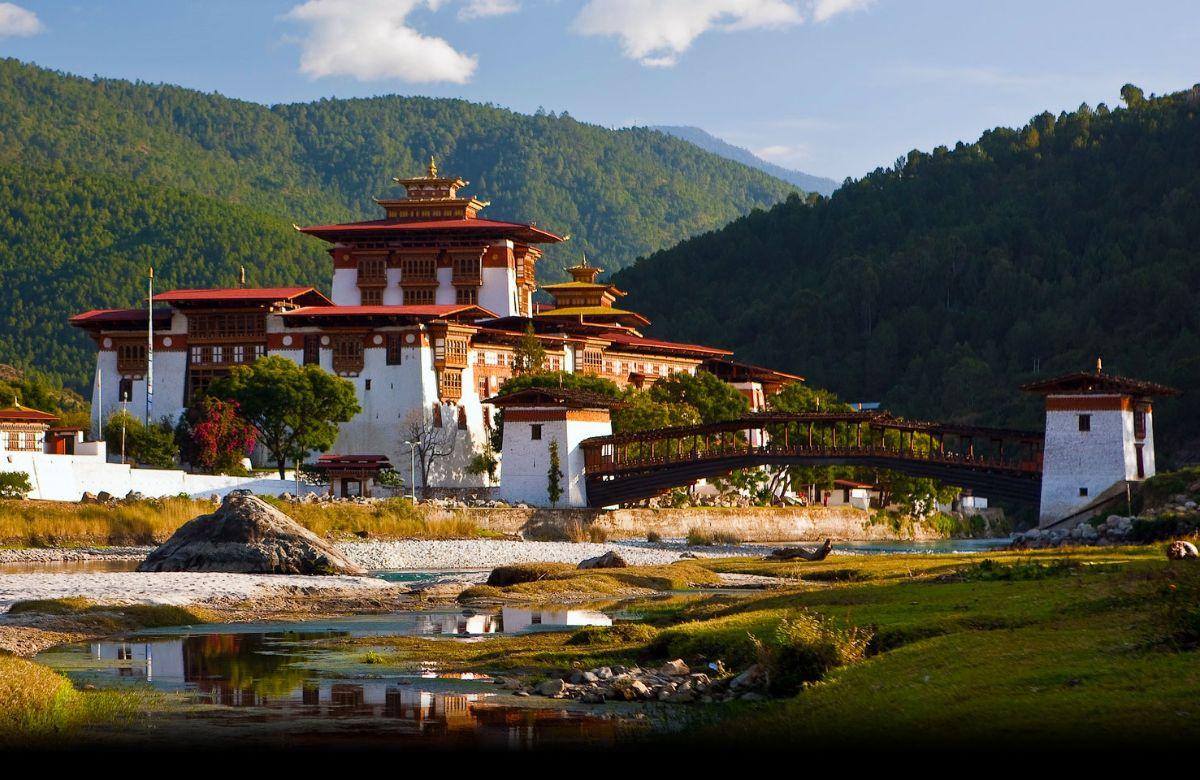
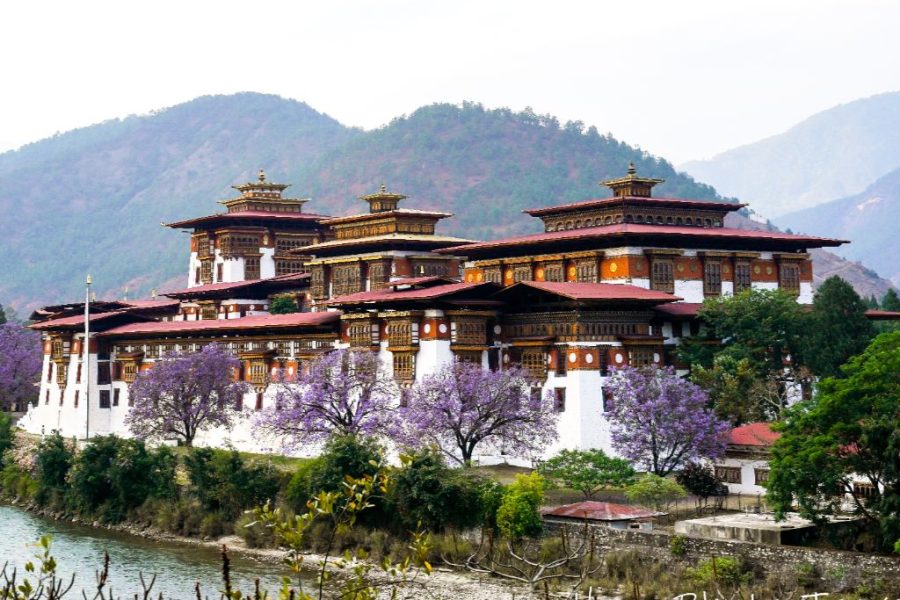
  • Punakha's Masterpiece: Tour Punakha Dzong, the "Palace of Great Happiness," an architectural marvel at the confluence of the Mo and Pho rivers, still serving as winter residence for the Chief Abbot and central monk body
  • Divine Madman's Blessing: Walk through emerald rice terraces to Chimi Lhakhang, the 15th-century fertility temple founded by Lama Drukpa Kuenley, receiving traditional blessings for prosperity
  • Handcrafted Heritage: Witness traditional papermaking from daphne bark at a craft institute, creating archival-quality sheets used for sacred texts
  • Phobjikha Valley Wilderness: Trek nature trails in this glacial U-shaped valley, home to 300 endangered black-necked cranes (November–March) and the 17th-century Gangtey Monastery overlooking wetlands
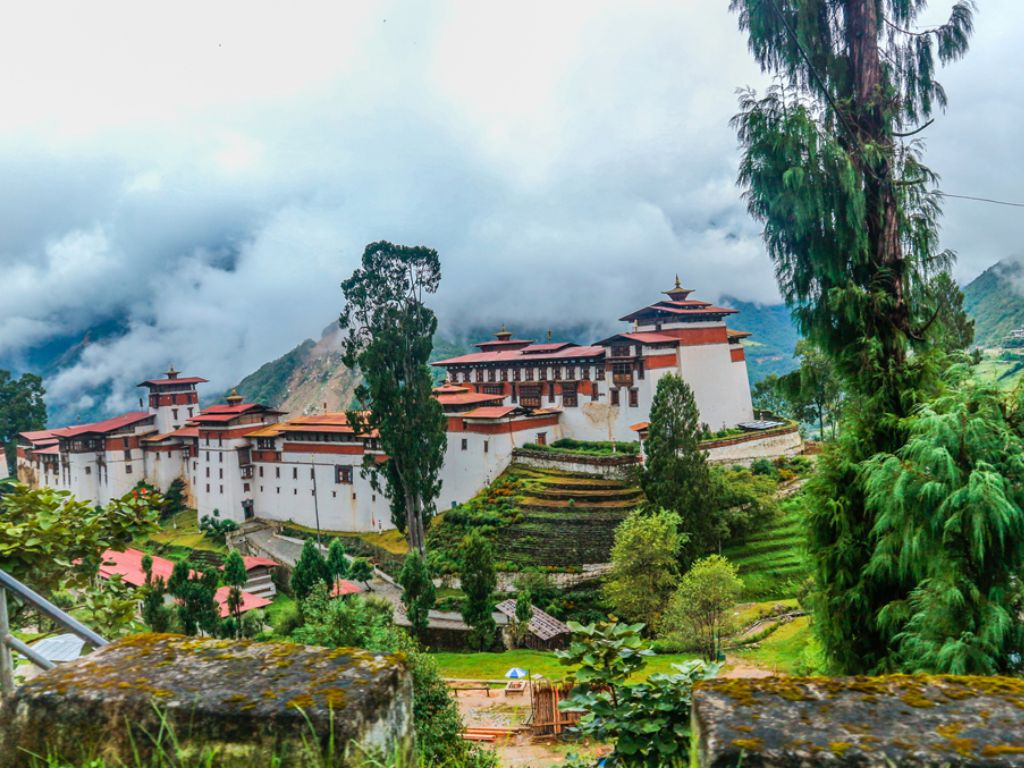
  • Wangdue Craftsmanship: Discover Bhutan's finest slate carving and bamboo weaving in Wangdue Phodrang, with its dramatic 1638 dzong perched on a ridge above river confluences
  • Tiger’s Nest Pilgrimage: Ascend to Taktsang Monastery (3,120m), Bhutan's holiest site where Guru Padmasambhava meditated in 747 CE, with a rejuvenating medicinal hot stone bath at a traditional farmhouse
  • Ancient Temples: Visit Kyichu Lhakhang, one of 108 temples built by Tibetan King Songtsen Gampo in the 7th century to subdue a demoness, featuring a miraculous fruiting orange tree
  • Optional Haa Valley Extension: Add a day to explore this secluded valley via Chele La Pass (3,988m), visiting Lhakhang Karpo and Nagpo, and experiencing authentic village homestays

Included/Excluded

  • All meals [Breakfast / lunch / dinner and evening tea / coffee].
  • Entrance fees for museums and monuments.
  • Accommodation [twin / double sharing basis]. Single room supplement is extra.
  • All transportation within the country, including airport transfers.
  • SDF & government taxes.
  • Bhutan visa fee.
  • English-speaking local guide.
  • Sightseeing.
  • Bottled water.
  • Drukair/Bhutan Airlines fares.
  • Insurance premiums.
  • Single room supplement charges
  • Payments for service provided on a personal basis.
  • Cost for any services not mentioned in the “Cost Include head”.
  • Personal expenses such as laundry, incidentals, horse rides, rafting, bellboy charges, tips for guide & driver.
  • Alcoholic beverages and soft drinks, etc.

Itinerary

Your Druk Air flight affords jaw-dropping views of the eastern Himalayas as you bank into Paro Valley, flanked by peaks exceeding 7,000m. After visa formalities, your guide presents a ceremonial khadar welcome scarf. We ease into altitude with a gentle drive along the Wang Chhu River to Thimphu (2,320m), stopping en route at the Takin Preserve to observe Bhutan's bizarre national animal—a unique goat-antelope hybrid steeped in myth. Check into your hotel and enjoy an introductory stroll through the capital's craft bazaar before your first Bhutanese dinner, featuring ema datshi (chili cheese) and red rice.

Begin at the Heritage Museum, a restored 19th-century farmhouse exhibiting three centuries of rural artifacts—wooden bowls, horse saddles, and bamboo tools that illuminate Bhutan's self-sufficient past. At the Textile Museum, master weavers demonstrate intricate kushuthara patterns on backstrap looms, creating textiles that take months to complete. Visit Thimphu Dzong (Tashichho Dzong), an imposing fortress-monastery rebuilt in 1962 without nails, where the King's throne room and Je Khenpo's offices face each other across vast courtyards.
 
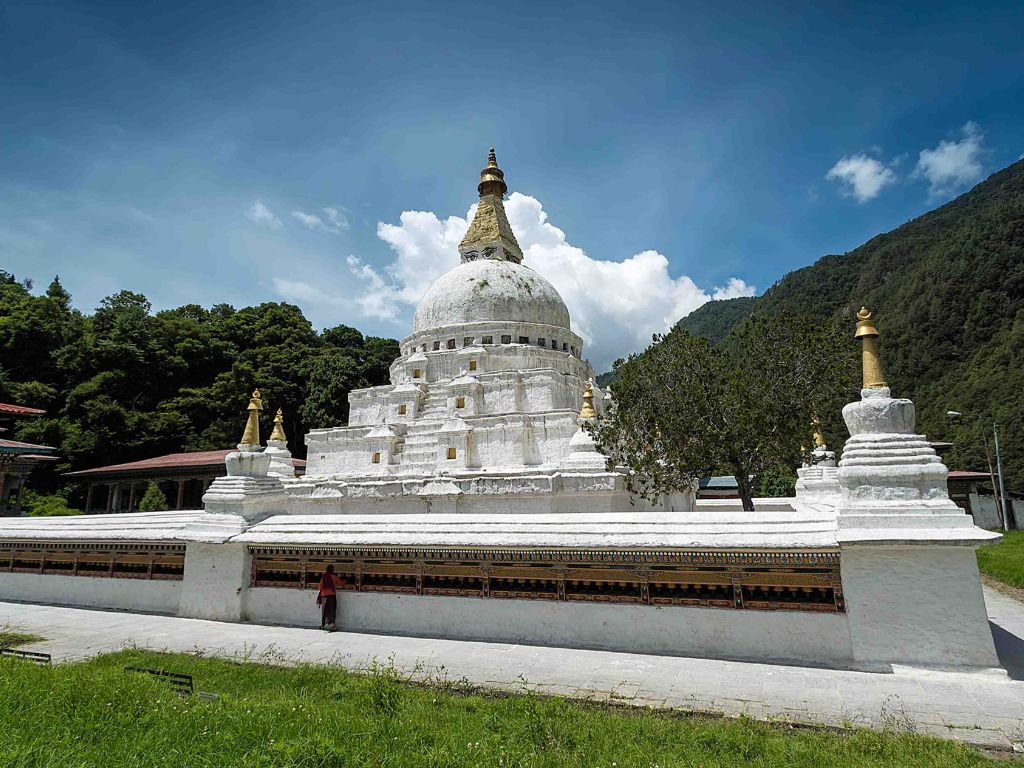
After lunch, explore the National Memorial Chorten, where elderly devotees circumambulate spinning prayer wheels in continuous meditation for the late Fourth King. Tour a Traditional Paper Factory to watch daphne bark transformed into acid-free sheets for sacred manuscripts. Conclude at Simtokha Dzong, built in 1629 by Zhabdrung Ngawang Namgyal, now housing the Institute for Language and Culture Studies. If your visit falls on a weekend, immerse yourself in the vibrant Centenary Farmers Market, where farmers from 20 valleys trade organic produce, fiery chilies, and aged cheeses under canvas tents.

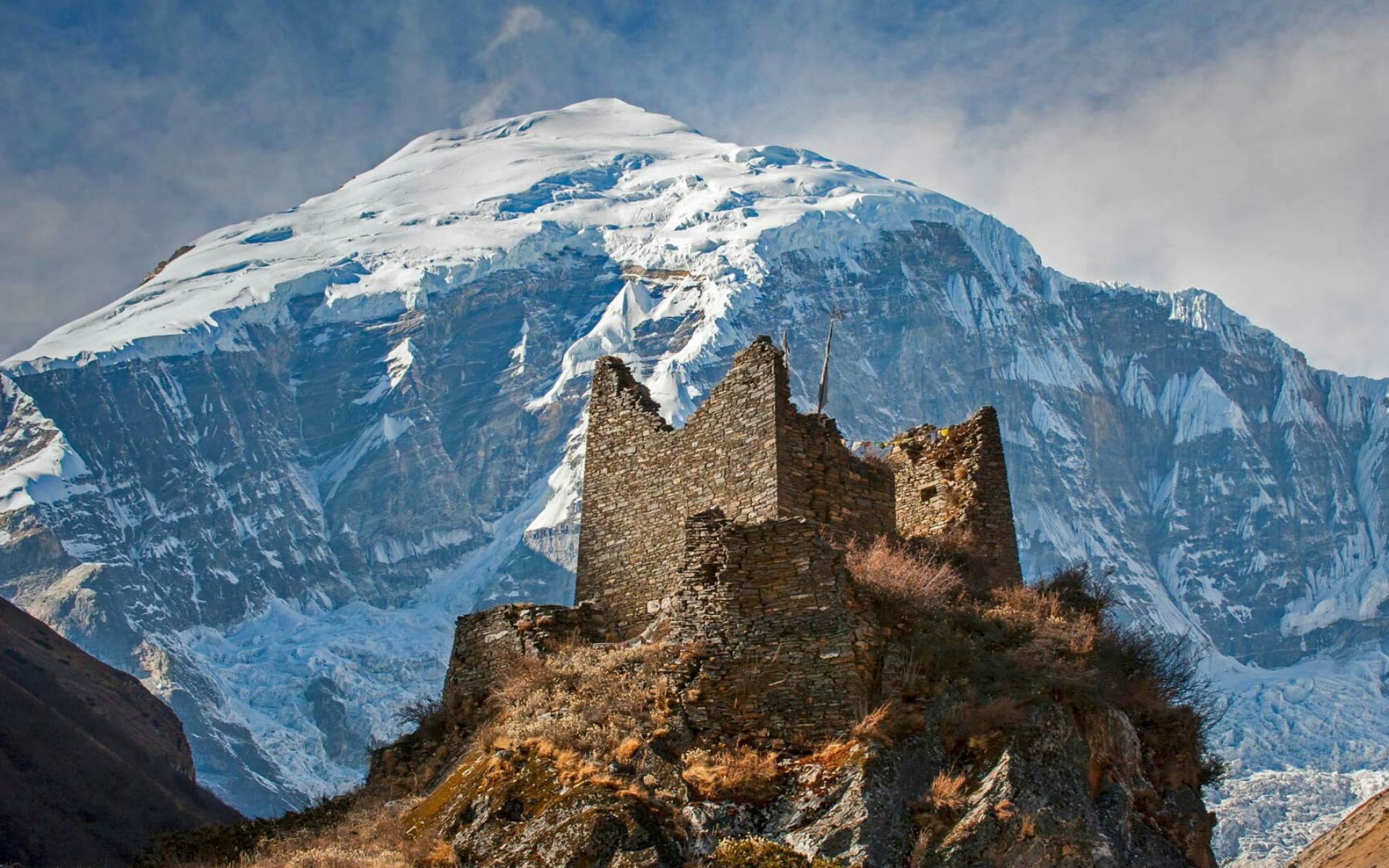
Ascend to Dochula Pass (3,100m), where 108 Druk Wangyal Chortens gleam against silver fir forests. On clear mornings, the full Himalayan arc—mapu including Gangkar Puensum (7,570m), the world's highest unclimbed peak—reveals itself. Opt for a short prayer-flag hike to enhance acclimatization.
 
Descend through ever-warming forests into the subtropical Punakha Valley (1,200m). Visit Punakha Dzong, a masterpiece of Bhutanese architecture constructed in 1637 at the confluence of the Mo Chhu (Female River) and Pho Chhu (Male River). Its massive utse (central tower) houses the sacred remains of Zhabdrung Ngawang Namgyal and intricate murals of Bhutan's spiritual history. After lunch, hike 45 minutes through bucolic villages to Khamsum Yulley Namgyal Chorten, a four-story temple built over eight years by Queen Mother Ashi Tshering Yangdon. The rooftop offers commanding views of the glacier-carved valley and terraced rice paddies.

A 20-minute walk across golden rice terraces leads to Chhimi Lhakhang, the 1499 temple of Lama Drukpa Kuenley, whose outrageous "Divine Madman" teachings remain legendary. Pilgrims seek blessings for fertility and protection. Mid-morning, drive to Wangdue Phodrang (1,350m), a bustling market town famed for fine bamboo baskets and slate carvings. Visit Wangdue Dzong, dramatically sited on a spur above the Tsang Chhu and Dang Chhu confluence, though portions remain under post-fire restoration.
 
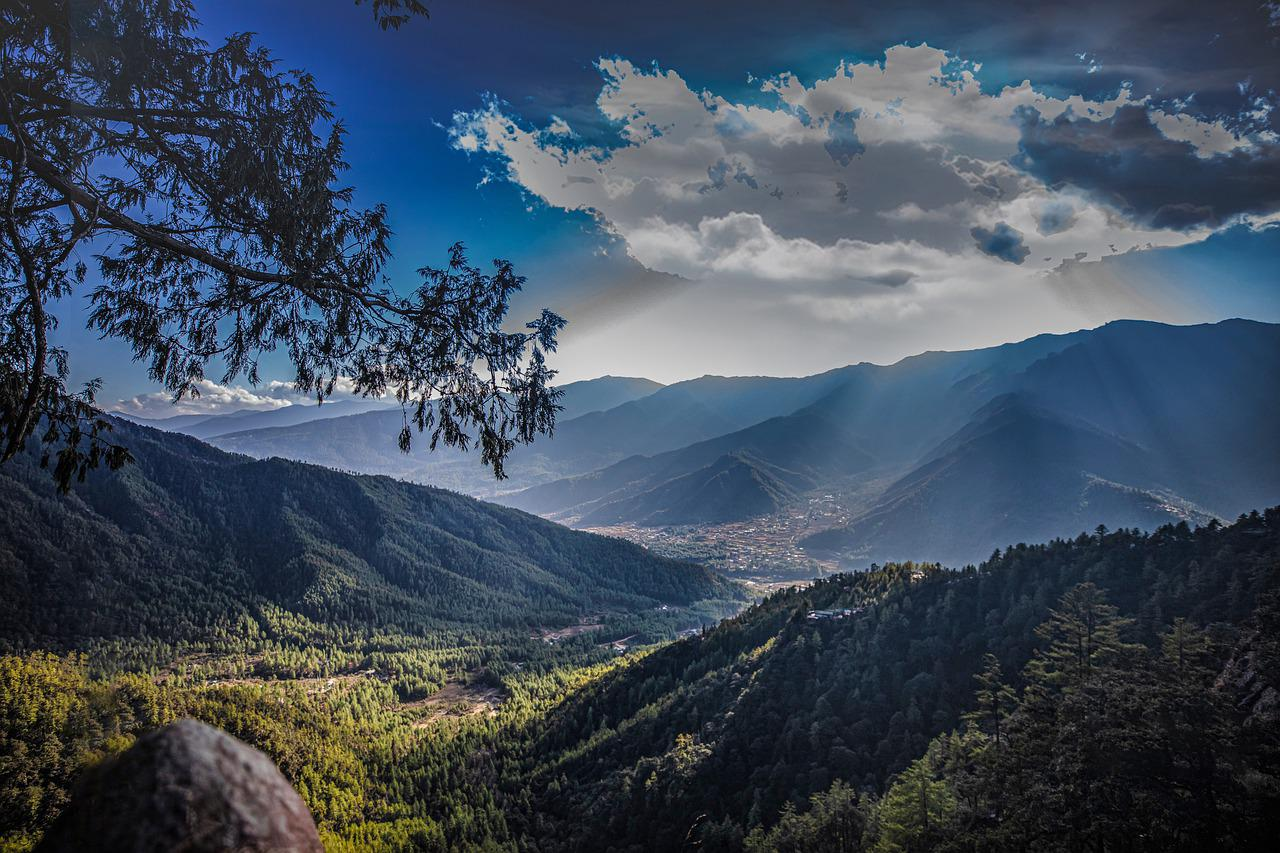
Continue climbing 45km to Gangtey (3,000m) in the glacial Phobjikha Valley. This sacred wetland, a RAMSAR site, hosts 300 endangered black-necked cranes (arriving late October). Check into a guesthouse overlooking the valley, where evening prayers from Gangtey Monastery echo across the meadows.

Dawn reveals cranes dancing in the frost-covered valley (November–March). Hike the Gangtey Nature Trail, a 3-hour descent through blue pine forests to the valley floor, crossing streams and meadows where yaks graze. Visit the Black-Necked Crane Information Centre to learn about conservation efforts and observe birds through high-powered scopes.
 
Tour Gangtey Goempa (Gangtey Monastery), founded in 1613 by Pema Thinley, grandson of saint Pema Lingpa. Its tshokhang (assembly hall) houses magnificent gilded statues and ancient thangkas. The monastery's annual tsechu (October) draws thousands. Afternoon options include meeting local farmers or visiting a rural homestead for butter tea.

The long but scenic return crosses the Black Mountains via Pele La Pass (3,390m), where traditional caravan routes once converged. Descend through changing vegetation zones into the Paro Valley (2,200m). After lunch, visit Ta Dzong, a 1649 watchtower transformed into the National Museum in 1968. Its conch-shell spiral galleries showcase a rare 1,000-armed Avalokiteshvara thangka, prehistoric artifacts, and Bhutan's eclectic stamp collection.
 
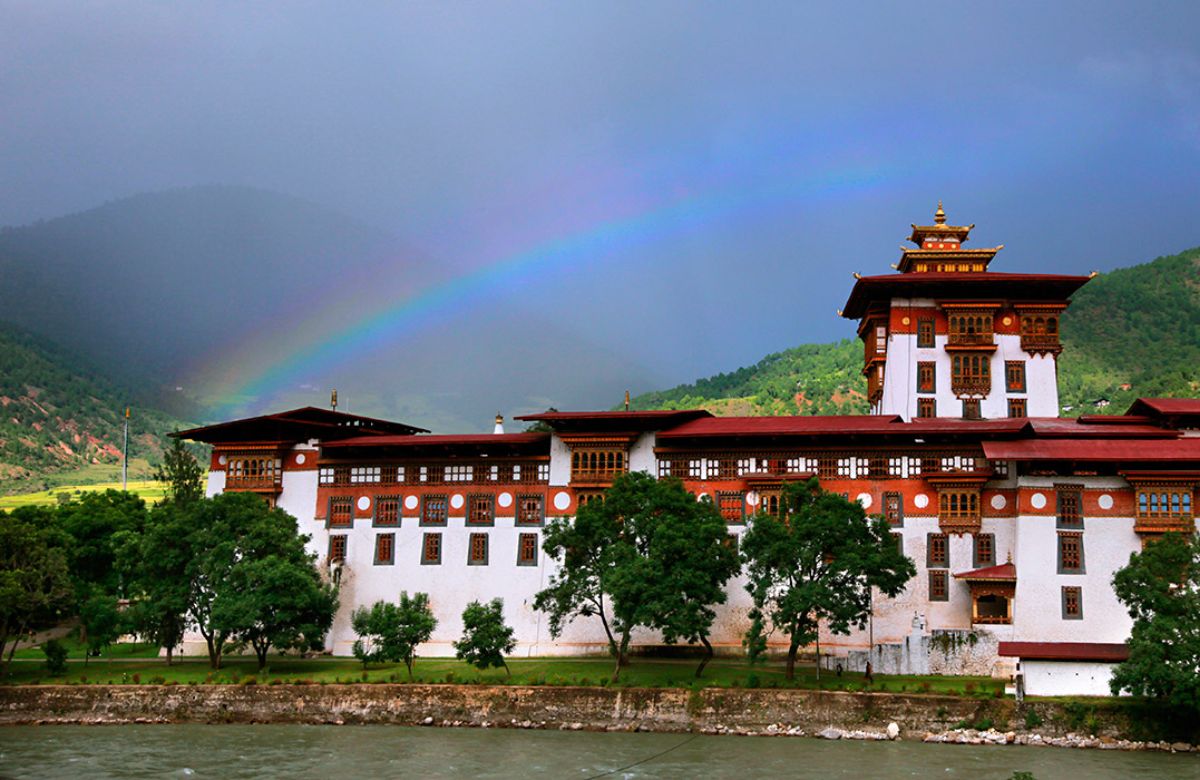
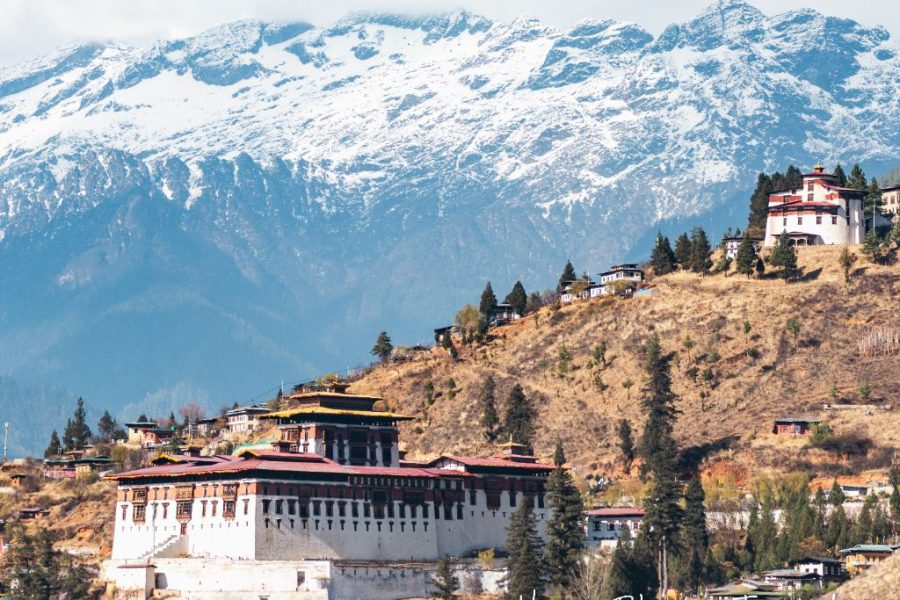
Stroll to Paro Dzong (Rinpung Dzong), the "Fortress of the Heap of Jewels," which appears to grow directly from the cliff. Its massive dochey (courtyard) hosted scenes from Bernardo Bertolucci's Little Buddha. Cross the traditional wooden bridge to Paro town for evening shopping—handwoven textiles, dzi beads, and herbal incense.

Begin at dawn for the sacred ascent to Taktsang Monastery (3,120m). The 2-3 hour climb winds through pine forests where moss-laden branches drip with altitude mist. Reach the viewpoint cafeteria for your first breathtaking glimpse of the monastery clinging to a 900m cliff. Final steps cross a waterfall before entering the complex built around Guru Rinpoche's meditation cave, where butter lamps illuminate the Tigress Lhakhang and temple of the Eight Manifestations.
 
Descend for a restorative lunch, then visit Kyichu Lhakhang, one of Bhutan's oldest temples, built in 659 AD by Tibetan King Songtsen Gampo to pin down the left foot of a supine demoness. Its inner sanctum houses a revered Jowo Jampa statue and a miraculous orange tree bearing fruit year-round. Evening culminates in a traditional farmhouse experience: soak in a hot stone bath (dotsho), where river-warmed stones release therapeutic minerals into artemisia-infused water, followed by a home-cooked dinner of phaksha paa (pork with radish).

After breakfast, your guide escorts you to Paro International Airport for your onward journey. As Druk Air lifts above the valley, reflect on eight days traversing a kingdom where Gross National Happiness guides development, and where every monastery, forest trail, and smiling encounter has woven Bhutan's enchantment into your own story. Tashi Delek—until we meet again.

Durations

Fullday (+7hours)

Language

English

Frequently asked questions

Visitors of all nationalities, except those from India, require a visa before entering Bhutan. For all visitors, except those from Bangladesh and the Maldives, this visa must be applied for and approved in advance of travel. Visitors from Bangladesh and the Maldives also require a visa, but this can be applied for and approved either in advance of travel or upon arrival in Bhutan. 

Visitors from India are able to apply for a permit but are required to hold an Indian passport or an Indian voter ID card. For Indian nationals under the age of 18, a passport or a birth certificate can be used to enter and they must be accompanied by a legal guardian.

Nationals from Switzerland and Thailand holding diplomatic or government-official passports are eligible for a visa at their port of entry.

You can apply online for a visa here, or if you’re travelling with a tour operator, they may apply on your behalf. Read more about the visa here

Visitors from Bangladesh and the Maldives requiring a visa can apply either online before travelling or in person upon arrival in Bhutan.

The SDF is USD 100 per night for adults from all countries except for India. Children aged between 6 years and who have not yet turned 12 are eligible to pay USD 50 per night. Children who have not yet turned 6 years old do not have to pay any SDF.

The SDF for Indian nationals (showing a valid Indian passport or Voter ID card) is Nu. 1,200 (or the equivalent amount in Indian rupees) per person, per night. Children aged between 6 years and who have not yet turned 12 are eligible to pay Nu./INR 600 per night. Children who have not yet turned 6 years old do not have to pay any SDF.

Yes, the SDF will be refunded by the Department of Immigration for any cancelled or shortened trips; any bank charges will be deducted from the total refunded. Requests for SDF refunds should be submitted online using the visa portal. The refund will be processed after visitors leave Bhutan.

You can change your local currency for ngultrum upon arrival at Paro International Airport or at banks, larger hotels and authorised currency exchange businesses in Thimphu.

You may bring cash equivalent to US$10,000 into the country.

Tour's Location

From: €0.00

Owner

pravinnepal97

Member Since 2025

Information Contact

Email

[email protected]

Website

travelinbhutan.com

Phone

(+975) 17640486 / 77373370

Explore other options