The Point B Travels

Wangdue Phodrang: The Bamboo Kingdom's Phoenix

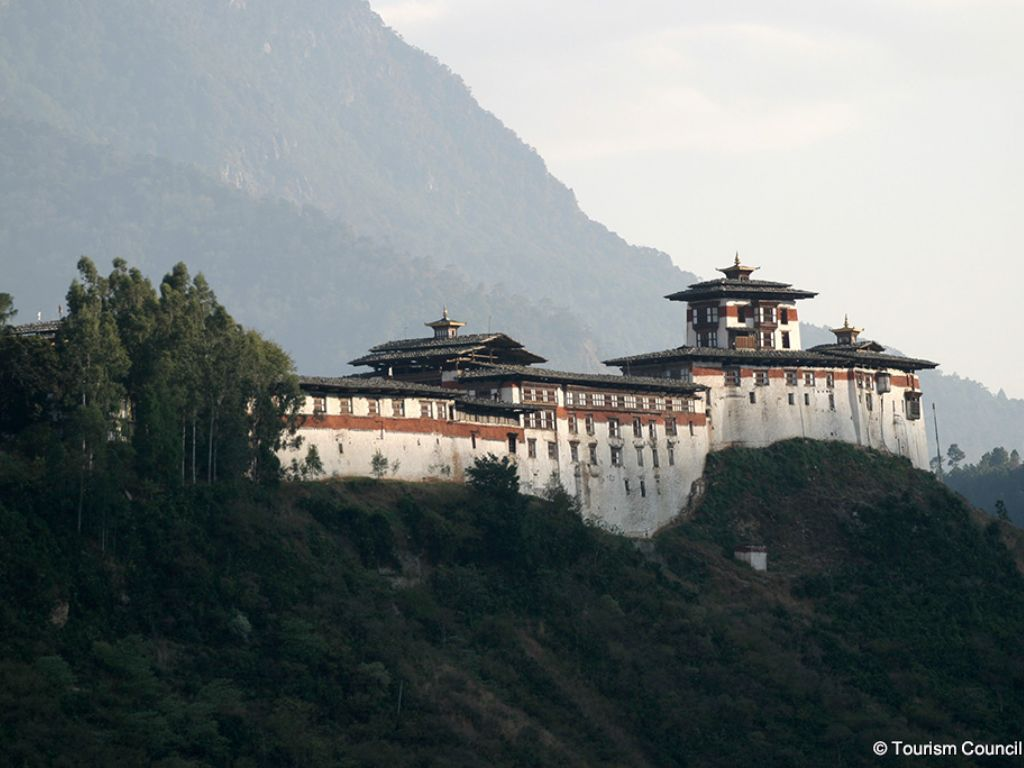
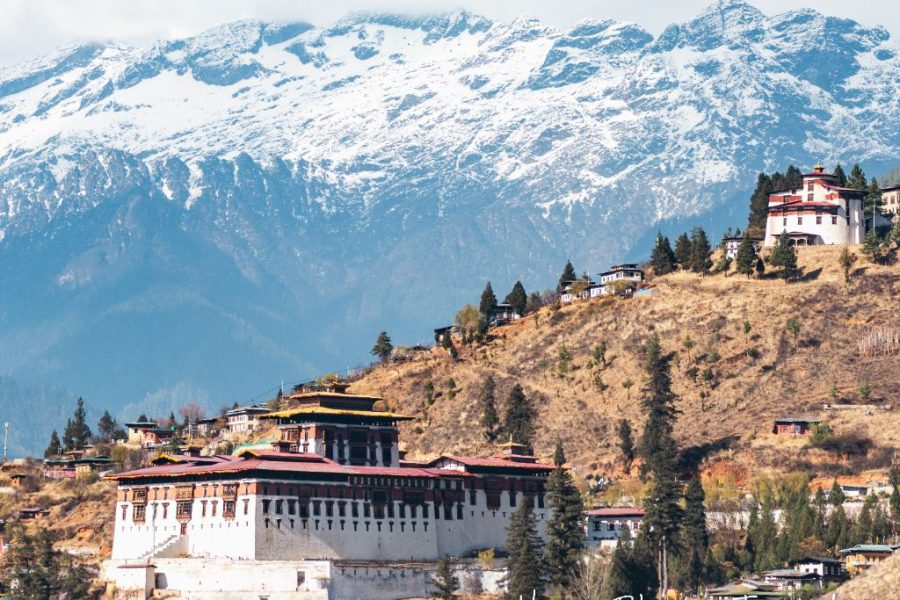
Wangdue Phodrang is Bhutan’s masterwork of resilience—a district where ancient craftsmanship rises from the ashes and rivers carve through valleys echoing with centuries of stone-mason secrets. Located in central-western Bhutan at 1,300 meters, this is the last major town before the kingdom’s wild interior, where the Punak Tsang Chhu and Dang Chhu rivers converge in a turquoise embrace watched over by a dzong that has literally been reborn.
 
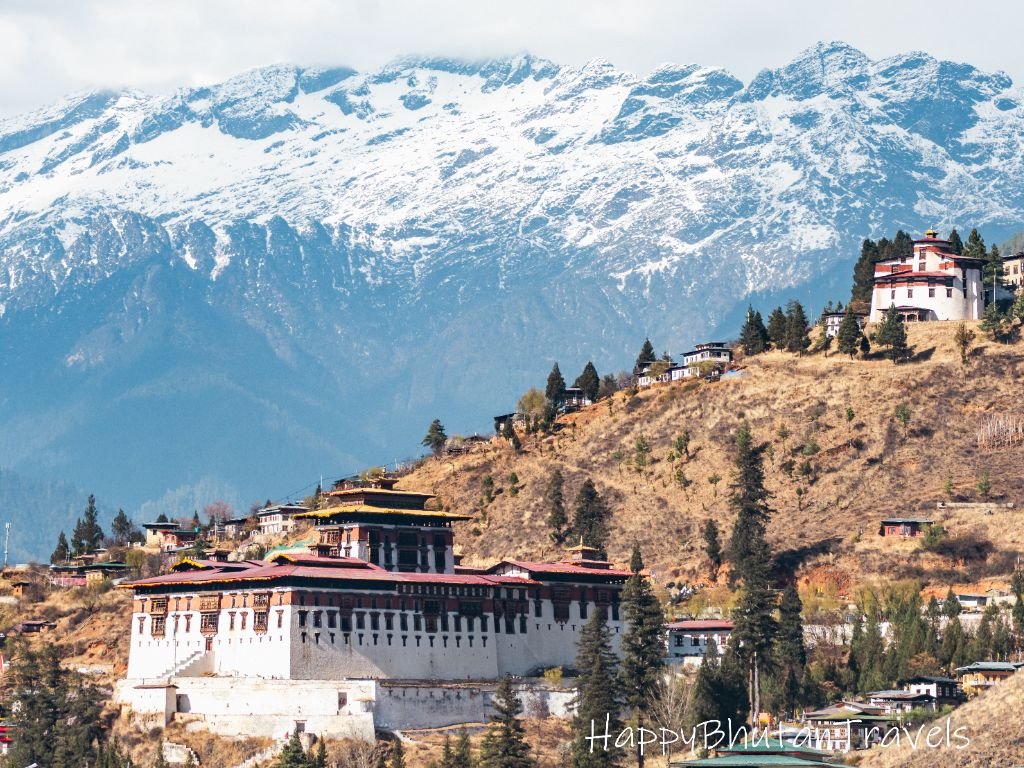
The Wangdue Phodrang Dzong, built in 1638 by Zhabdrung Ngawang Namgyal, occupies a strategic ridge that the saint described as a “sleeping elephant.” Legend says four ravens circling the site signaled good omen—each bird flying a cardinal direction represented Buddhism’s spread. For centuries, the dzong’s governor (Wangzop) ranked as Bhutan’s third most powerful ruler, controlling trade routes to Trongsa, Punakha, and Thimphu. That power ended abruptly on June 26, 2012, when fire consumed the timber fortress. Yet in true Bhutanese spirit, the community rose as one—volunteers salv sacred relics by throwing iron boxes from four-story heights into cactus groves, while artisans from Rinchengang Village—descendants of 17th-century masons from Cooch Bihar—rebuilt the structure using only traditional methods. On May 29, 2018, His Majesty the King installed the golden pinnacle, and the dzong now stands more magnificent than ever, its 14 temples once again housing the living Buddhist tradition.
 
Wangdue’s soul lies in its crafts. The district is Bhutan’s bamboo capital, where artisans transform humble stalks into intricate tea strainers, storage baskets, and ceremonial objects with astonishing precision. Slate and stone carvers in villages like Rinchengang chisel gray river rocks into architectural embellishments and decorative masterpieces, their techniques unchanged for 400 years. The village itself is a living museum—clustered mud houses cascading down a hillside opposite the dzong, where you can still hear the ancient dialects of Lakha and Nyenkha spoken.
 
The district spans three national parks (Jigme Dorji, Jigme Singye Wangchuck, Wangchuck Centennial), creating a biodiversity corridor where red pandas forage in bamboo thickets, snow leopards patrol high ridges, and black-necked cranes winter in the Khotokha Valley—Phobjikha’s lesser-known twin. The region’s 29 rhododendron species transform hillsides into explosions of color each April.
 
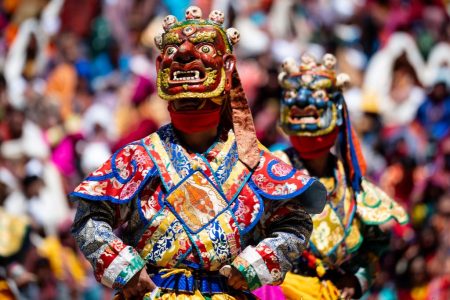
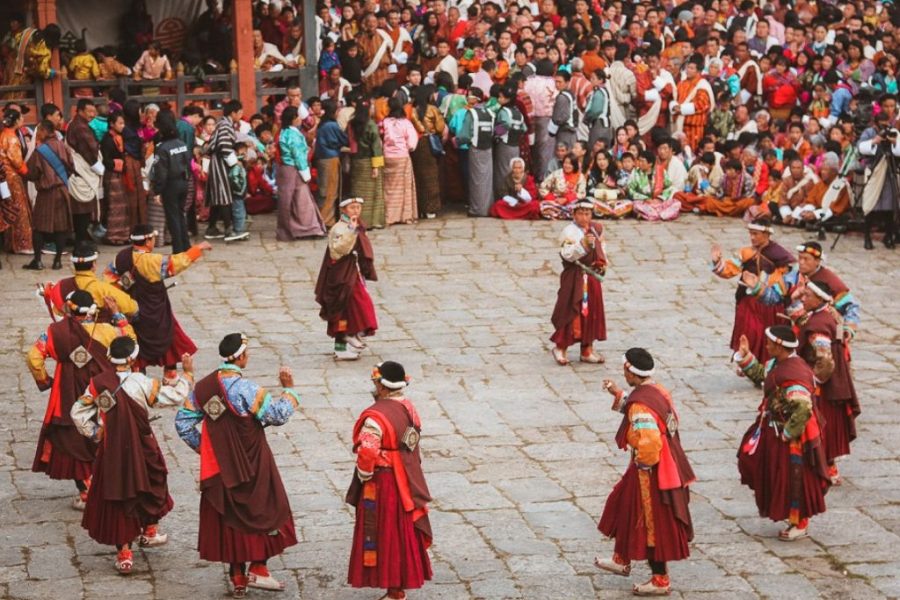
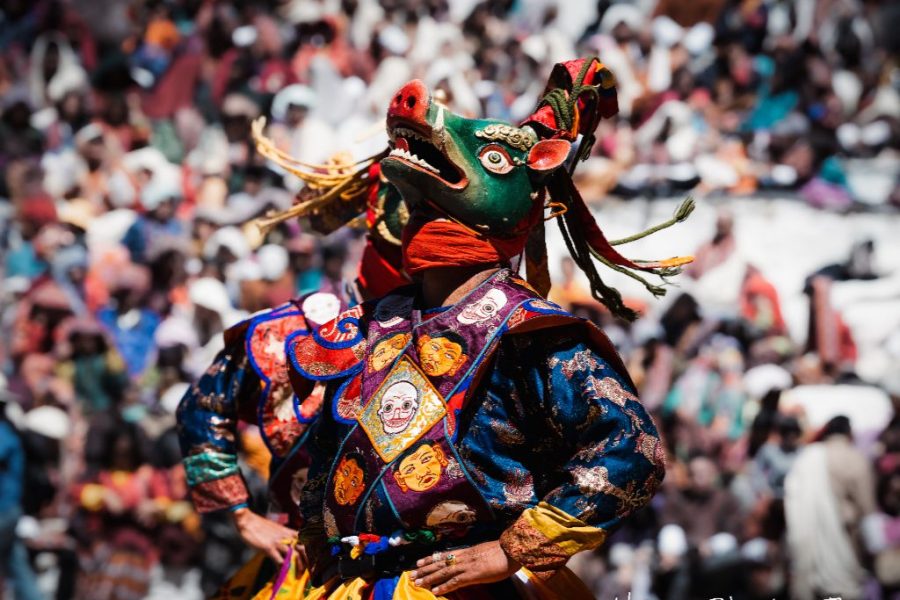
Visit October-November for the Wangdue Tsechu, when masked dancers reenact the legend of Dzongpon Domchung outsmarting river spirits during bridge reconstruction—a story as metaphorical as it is entertaining. Or come March-May for clear skies and artisan workshops in full production. Wangdue isn’t polished for tourists; it’s authentic Bhutan—where every carved slate and woven basket carries the weight of a culture that refuses to be erased.

Tours

Stories, tips, and guides

Festival Dates

Festival Dates Source: Tourism Council of Bhutan Name Town Start Date End Date Lhamoi Dromchhen Trongsa Feb 22, 2026 Feb 24, 2026 Punakha Dromchoe Punakha Feb 24, 2026 Feb 26, 2026 Punakha Tshechu Punakha Feb 27, 2026 Feb 28, 2026 Tharpaling Thongdrol Bumthang Mar 03, 2026   Tangsibi Mani Bumthang Mar 05, 2026 Mar 06, 2026 […]

Best Time to Travel to Bhutan

Bhutan enchants visitors every season. Whether you seek festival energy, Himalayan vistas, or quiet valleys, timing your trip shapes the experience. Here’s our guide to help you choose.

About Bhutan

Tucked between two giants, Bhutan is a rare place where tradition isn't a performance—it's a way of life.

Bhutan Visa and SDF

Planning a trip to Bhutan? Here's everything you need to know about getting in—without the paperwork panic.

Your Flight to Bhutan: Routes, Tips & Reality

Landing in Bhutan isn't just transportation—it's a white-knuckle spectacle. As your plane weaves between peaks topping 7,000 meters, you'll understand why only 24 pilots in the world are certified to fly this approach. Whether you're tracing the Himalayas from Kathmandu or crossing the Indian plains from Kolkata, the final descent into Paro Valley is pure theater. Grab a window seat. This is the part you'll tell everyone about.

Accommodation

Bhutan's accommodation scene is as layered as its terrain. You won't find backpacker hostels or multinational chains here—everything is locally owned and deliberately curated. What you will find is a spectrum that runs from five-star sanctuaries to sleeping in a farmhouse next to a wood stove, each with its own honest charm.

Get special offers, and more from Us