The Point B Travels

Mongar: The Fertile Frontier of Eastern Bhutan

Mongar marks the gateway to Bhutan’s wild east, where the kingdom’s lush central valleys give way to subtropical slopes and ancient traditions remain remarkably intact. Perched dramatically on a steep hillside at 1,600 meters, this district capital is accessible via one of Bhutan’s most spectacular road journeys—the 17-kilometer drive from Thrumshing La Pass (3,750m) drops through vertical forests of rhododendron, magnolia, and cascading waterfalls.
 
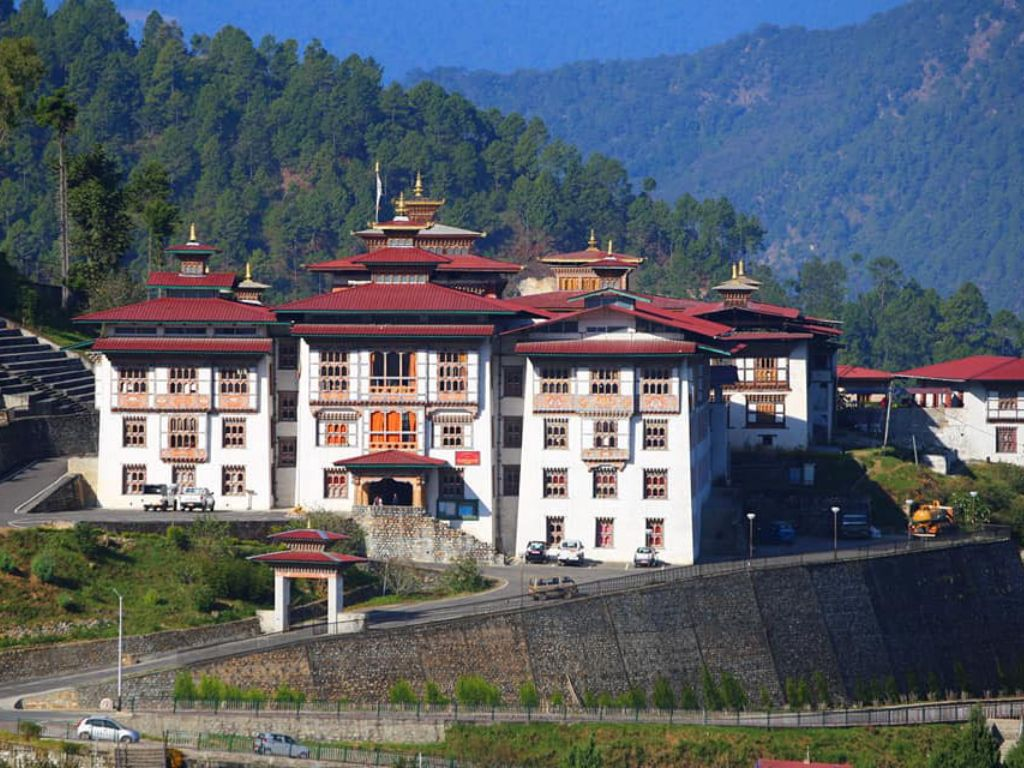
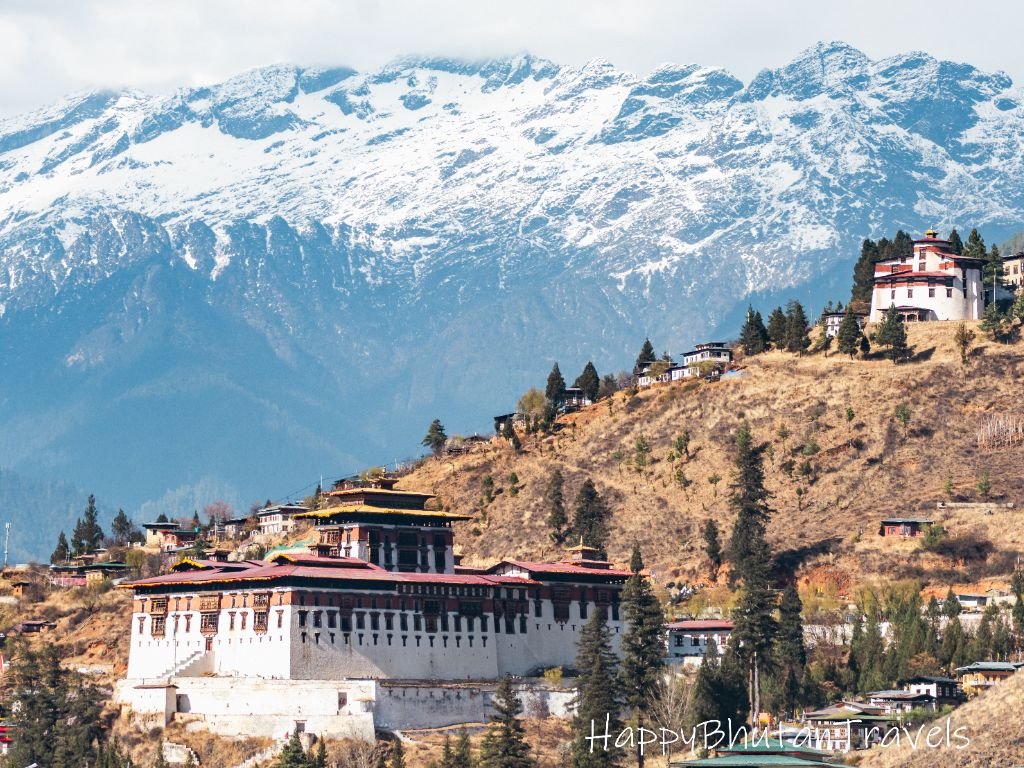
The town’s centerpiece is Mongar Dzong, built in 1930 as the administrative seat of eastern Bhutan—a rare 20th-century dzong constructed without plans or nails, using traditional methods. Its whitewashed walls and golden roofs command sweeping views over the Kuri Chhu Valley, where farmers cultivate oranges, cardamom, and maize in terraced fields.
 
Mongar is the heartland of the Sharchops, Bhutan’s indigenous eastern people whose linguistic and cultural traditions predate the Ngalop migrations. Their vibrant Sharchop Kha dialect, distinct animist-Buddhist practices, and weaving traditions of intricate silk patterns set the region apart. Visit a traditional weaving center to watch women create complex kushuthara textiles on backstrap looms—patterns that can take months to complete.
 
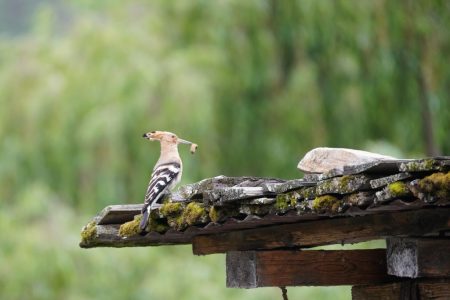
The surrounding countryside offers some of Bhutan’s most pristine birding, with the Yongkola area renowned globally for spotting rarities like the Ward’s Trogon and Rufous-necked Hornbill. The Lingmethang Road, descending from Thrumshing La to the valley floor, is considered one of the world’s top 10 birding routes.
 
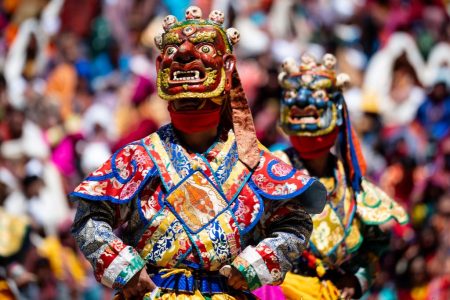
Mongar serves as the gateway to Lhuntse District and the sacred Aja Ney pilgrimage site, where 108 rock impressions of Buddhist saints are naturally etched into a cliff face. Visit in autumn (October-November) for the Mongar Tsechu, when the dzong courtyard erupts in masked dances celebrating the harvest season. The remoteness ensures few tourists, offering authentic encounters with a Bhutan still deeply connected to its roots.

Tours

Stories, tips, and guides

Festival Dates

Festival Dates Source: Tourism Council of Bhutan Name Town Start Date End Date Lhamoi Dromchhen Trongsa Feb 22, 2026 Feb 24, 2026 Punakha Dromchoe Punakha Feb 24, 2026 Feb 26, 2026 Punakha Tshechu Punakha Feb 27, 2026 Feb 28, 2026 Tharpaling Thongdrol Bumthang Mar 03, 2026   Tangsibi Mani Bumthang Mar 05, 2026 Mar 06, 2026 […]

Best Time to Travel to Bhutan

Bhutan enchants visitors every season. Whether you seek festival energy, Himalayan vistas, or quiet valleys, timing your trip shapes the experience. Here’s our guide to help you choose.

About Bhutan

Tucked between two giants, Bhutan is a rare place where tradition isn't a performance—it's a way of life.

Bhutan Visa and SDF

Planning a trip to Bhutan? Here's everything you need to know about getting in—without the paperwork panic.

Your Flight to Bhutan: Routes, Tips & Reality

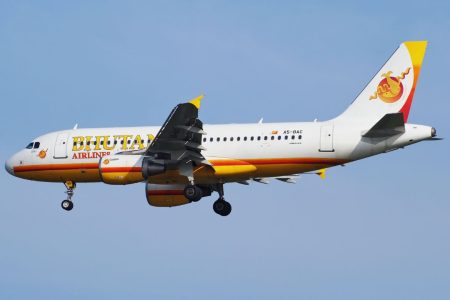
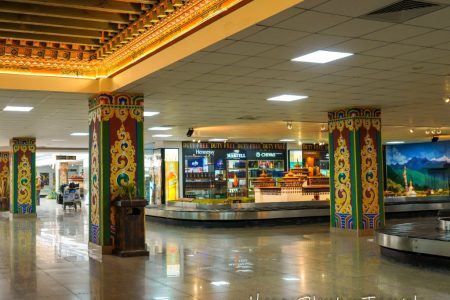
Landing in Bhutan isn't just transportation—it's a white-knuckle spectacle. As your plane weaves between peaks topping 7,000 meters, you'll understand why only 24 pilots in the world are certified to fly this approach. Whether you're tracing the Himalayas from Kathmandu or crossing the Indian plains from Kolkata, the final descent into Paro Valley is pure theater. Grab a window seat. This is the part you'll tell everyone about.

Accommodation

Bhutan's accommodation scene is as layered as its terrain. You won't find backpacker hostels or multinational chains here—everything is locally owned and deliberately curated. What you will find is a spectrum that runs from five-star sanctuaries to sleeping in a farmhouse next to a wood stove, each with its own honest charm.

Get special offers, and more from Us