The Point B Travels

Gasa: Bhutan's Untamed Northwestern Frontier

Gasa is Bhutan’s wildest frontier—a remote district in the far northwest where glaciers, hot springs, and rare wildlife converge in landscapes untouched by modernity. Perched between 1,500 and 4,500 meters, Gasa is the gateway to the Tibetan border, accessed via a dramatic road from Punakha that switchbacks up the Himalayan face.
 
The district’s crown jewel is the Gasa Hot Springs (Gasa Tshachu), a series of therapeutic pools where steaming mineral water bubbles from the earth at 38°C. Pilgrims travel days to soak here, believing the waters cure everything from arthritis to infertility. The springs sit in a pristine riverside setting, with basic wooden bathhouses surrounded by forest and prayer flags.
 
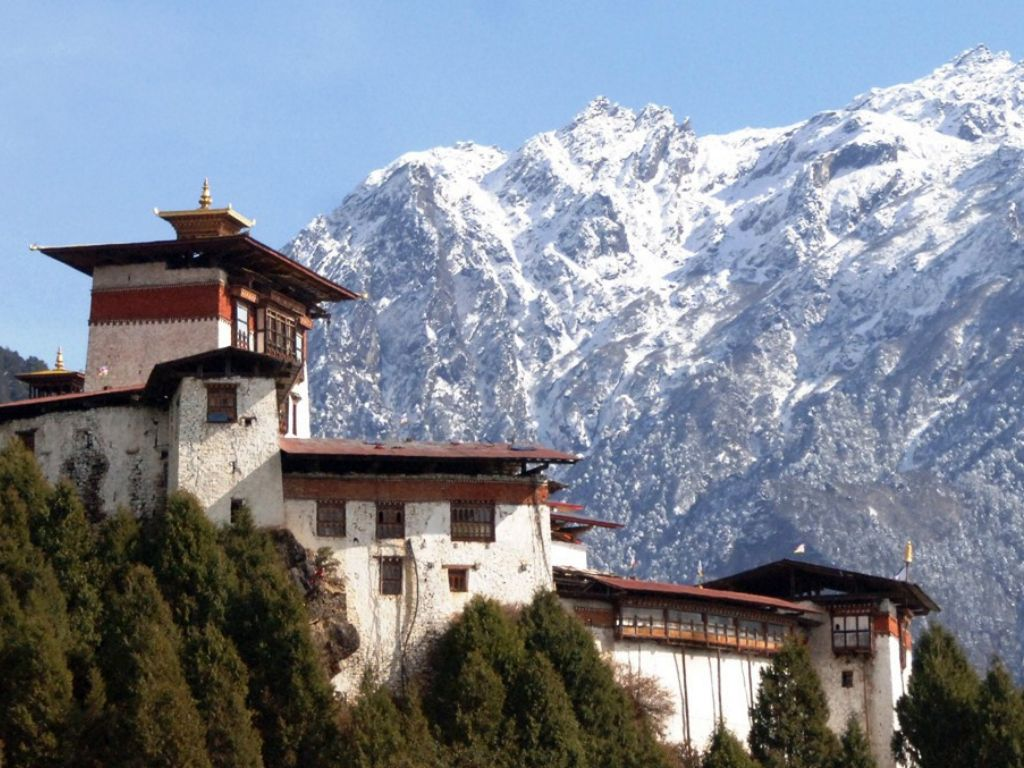
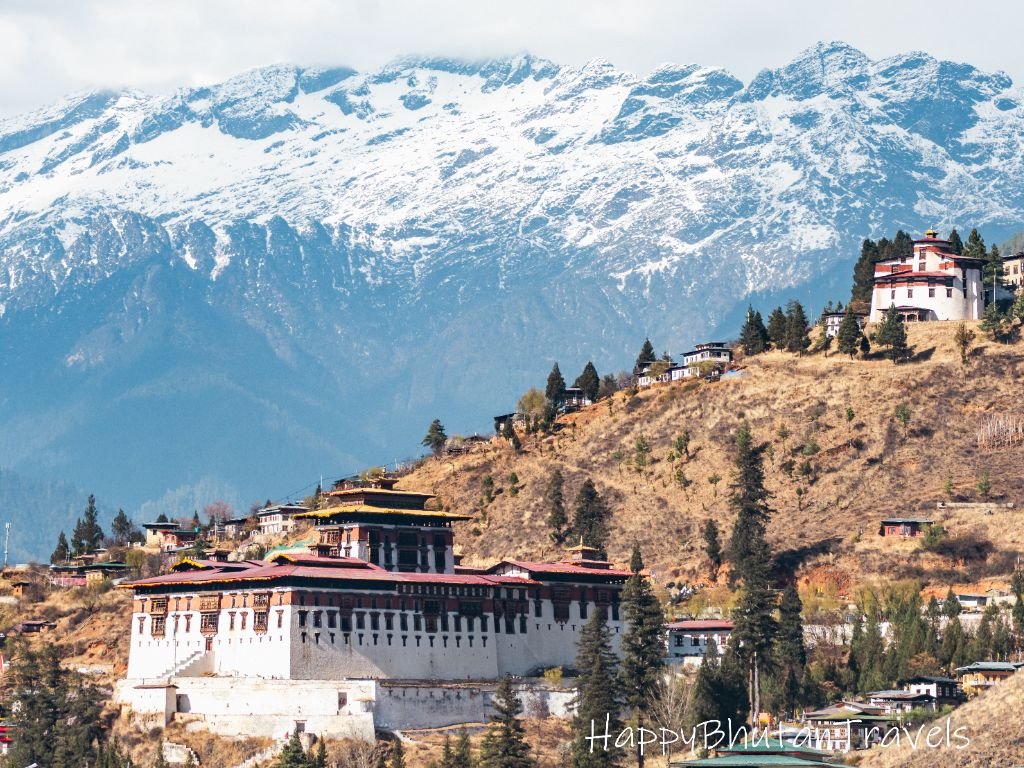
Gasa Dzong—the “Tashi Thongmön Dzong”—commands a strategic ridge like a fortress from a fantasy novel, built in 1648 to defend against Tibetan invasions. Its massive walls have never been captured, and unlike other dzongs, it retains an austere, military character. The dzong offers staggering views of the surrounding 7,000-meter peaks, including Mount Gangkar Puensum and Mount Jomolhari.
Gasa is home to the Layap people, Bhutan’s high-altitude indigenous community who wear distinctive conical bamboo hats and yak-wool clothing. Trekking through their villages offers rare cultural immersion—their dialect, traditions, and yak-herding lifestyle have remained isolated for centuries.
 
The district forms the core of the legendary Snowman Trek and Laya-Gasa Trek, routes considered among the world’s most difficult, crossing 5,000-meter passes where snow leopards, Himalayan black bears, and blue sheep roam. Even for non-trekkers, day hikes from Gasa reveal pristine forests of blue pine, rhododendron, and medicinal plants used in traditional medicine.
 
Visit in April-May for rhododendron blooms and clear skies, or September-November for post-monsoon clarity. Access requires special permits and a sturdy 4WD vehicle—the remoteness guarantees an exclusive, unfiltered Bhutanese experience far from tourist trails.

Tours

Stories, tips, and guides

Festival Dates

Festival Dates Source: Tourism Council of Bhutan Name Town Start Date End Date Lhamoi Dromchhen Trongsa Feb 22, 2026 Feb 24, 2026 Punakha Dromchoe Punakha Feb 24, 2026 Feb 26, 2026 Punakha Tshechu Punakha Feb 27, 2026 Feb 28, 2026 Tharpaling Thongdrol Bumthang Mar 03, 2026   Tangsibi Mani Bumthang Mar 05, 2026 Mar 06, 2026 […]

Best Time to Travel to Bhutan

Bhutan enchants visitors every season. Whether you seek festival energy, Himalayan vistas, or quiet valleys, timing your trip shapes the experience. Here’s our guide to help you choose.

About Bhutan

Tucked between two giants, Bhutan is a rare place where tradition isn't a performance—it's a way of life.

Bhutan Visa and SDF

Planning a trip to Bhutan? Here's everything you need to know about getting in—without the paperwork panic.

Your Flight to Bhutan: Routes, Tips & Reality

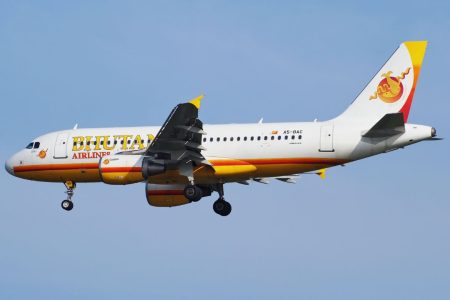
Landing in Bhutan isn't just transportation—it's a white-knuckle spectacle. As your plane weaves between peaks topping 7,000 meters, you'll understand why only 24 pilots in the world are certified to fly this approach. Whether you're tracing the Himalayas from Kathmandu or crossing the Indian plains from Kolkata, the final descent into Paro Valley is pure theater. Grab a window seat. This is the part you'll tell everyone about.

Accommodation

Bhutan's accommodation scene is as layered as its terrain. You won't find backpacker hostels or multinational chains here—everything is locally owned and deliberately curated. What you will find is a spectrum that runs from five-star sanctuaries to sleeping in a farmhouse next to a wood stove, each with its own honest charm.

Get special offers, and more from Us