0 (0 Reviews)
From: €0.00
0
(0 review)
Check
Duration

8 Days 7 Nights

Tour Type

Daily Tour

Group Size

6 people

Languages

English

About this tour

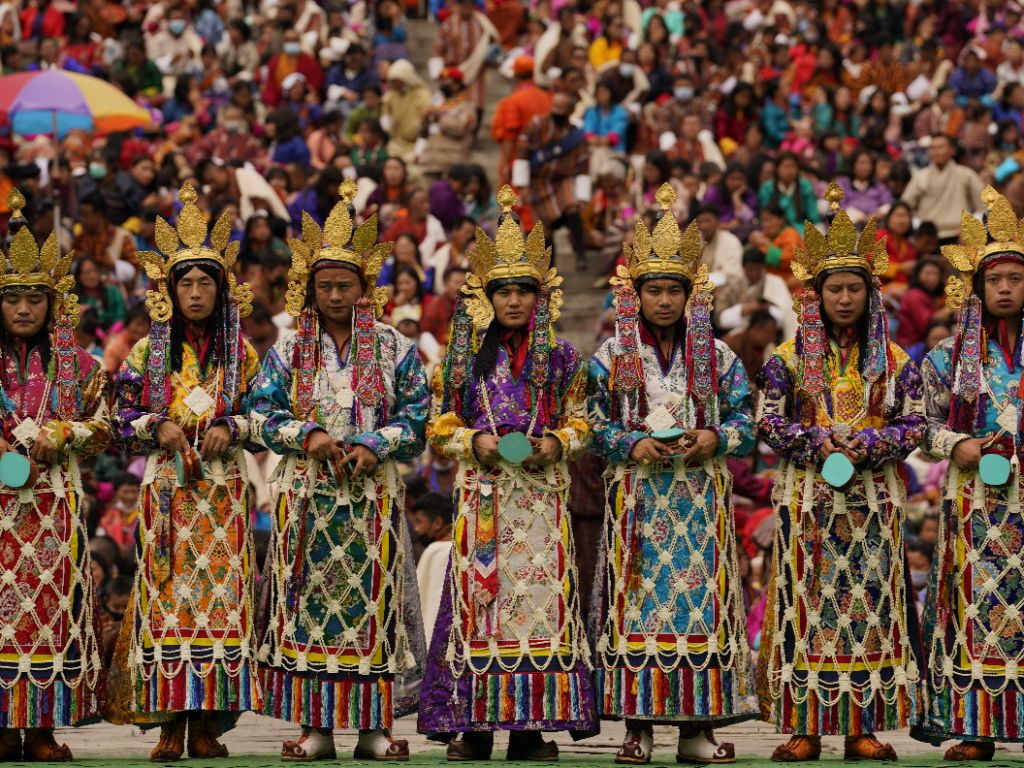
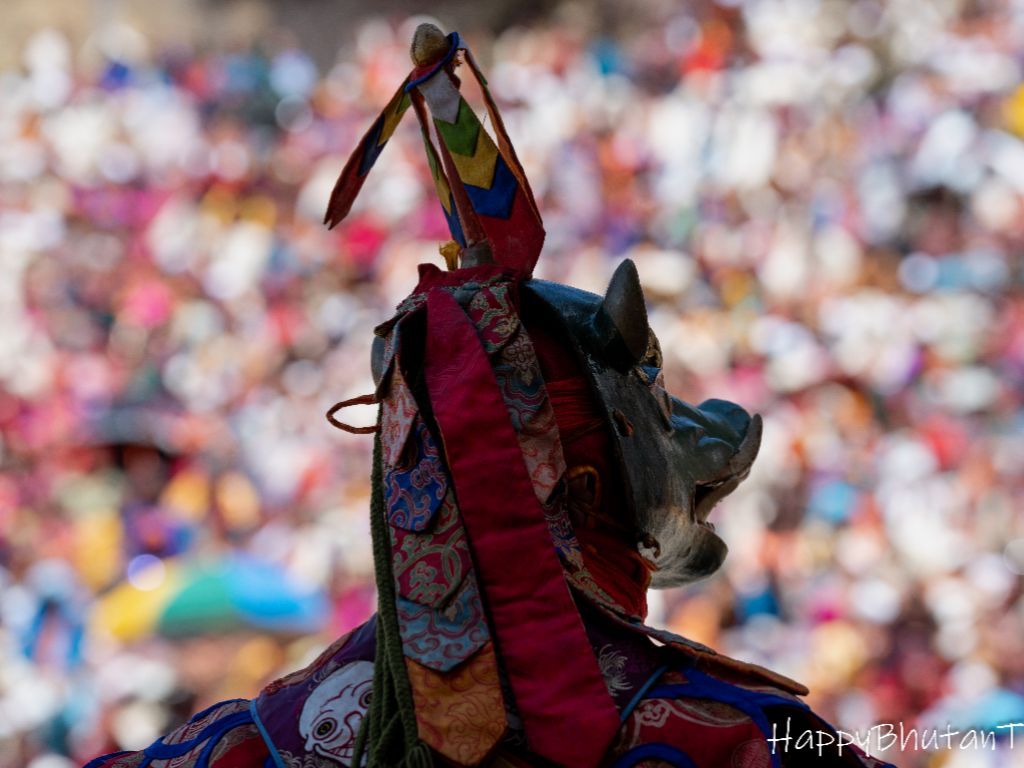
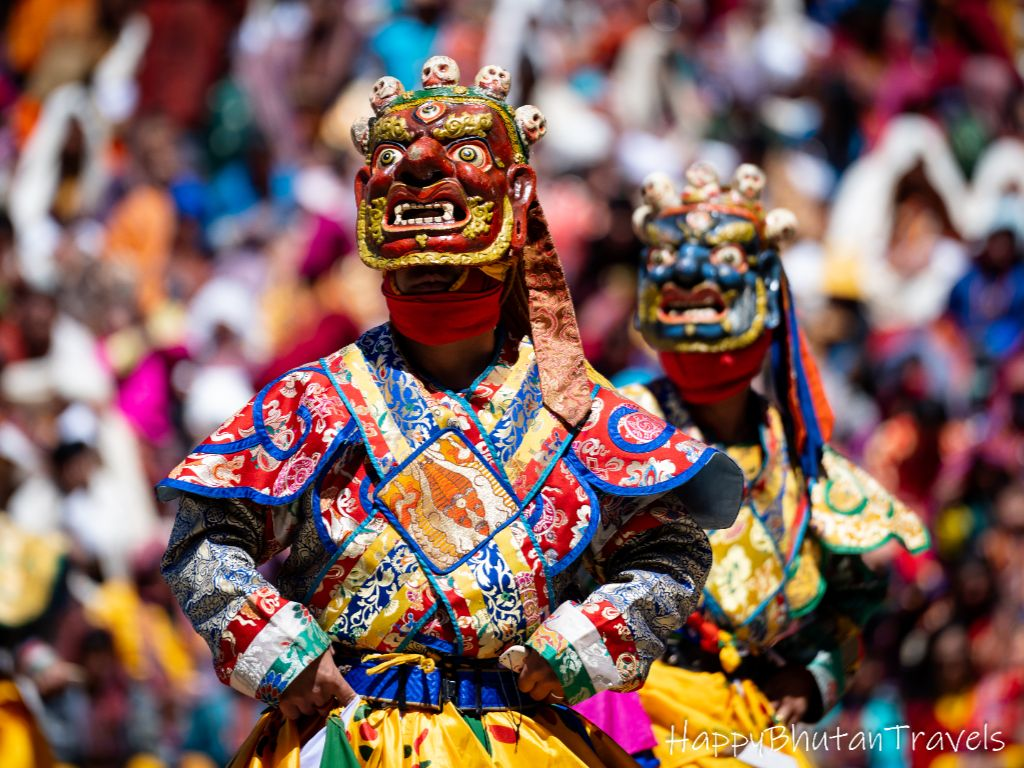
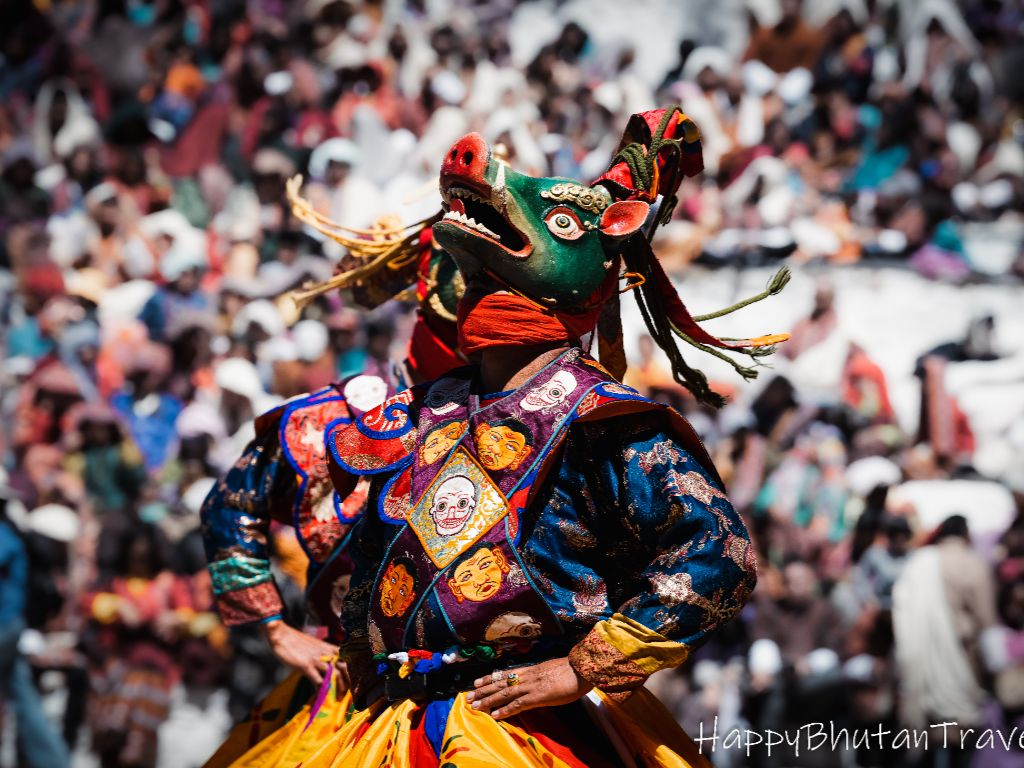
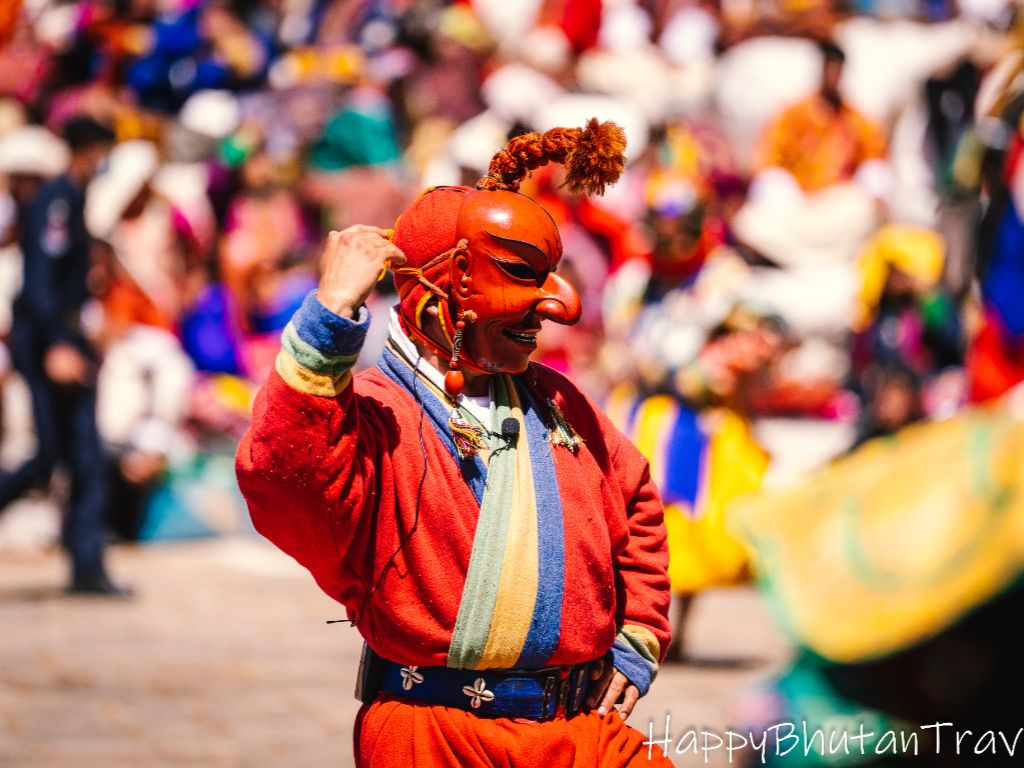
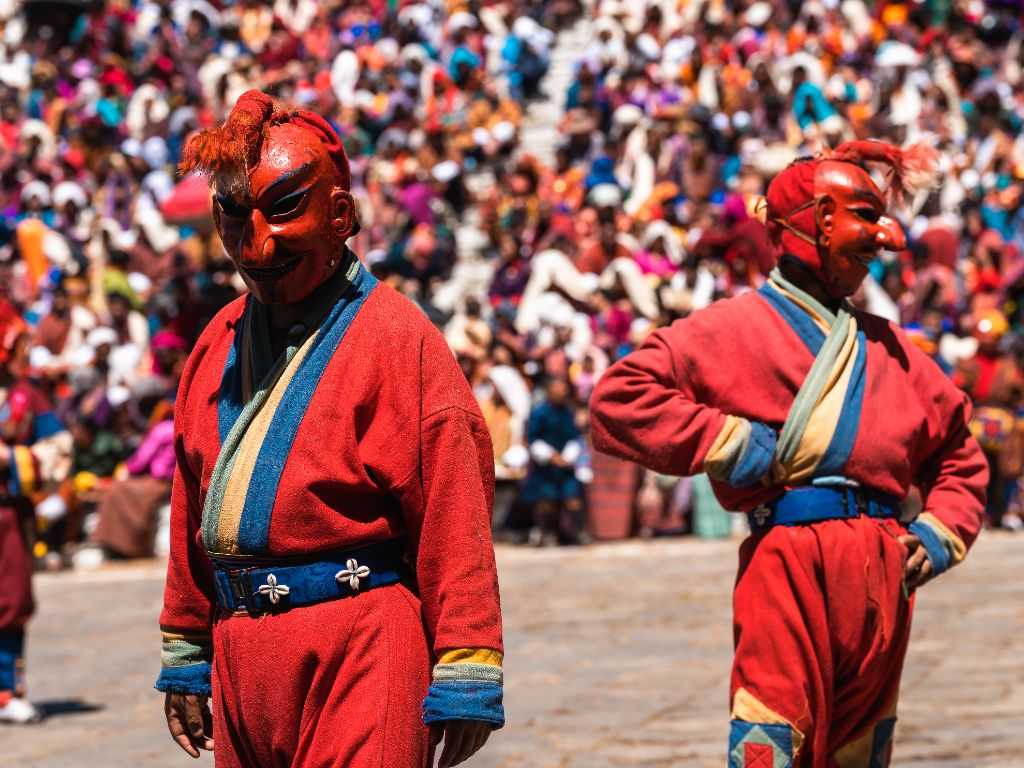
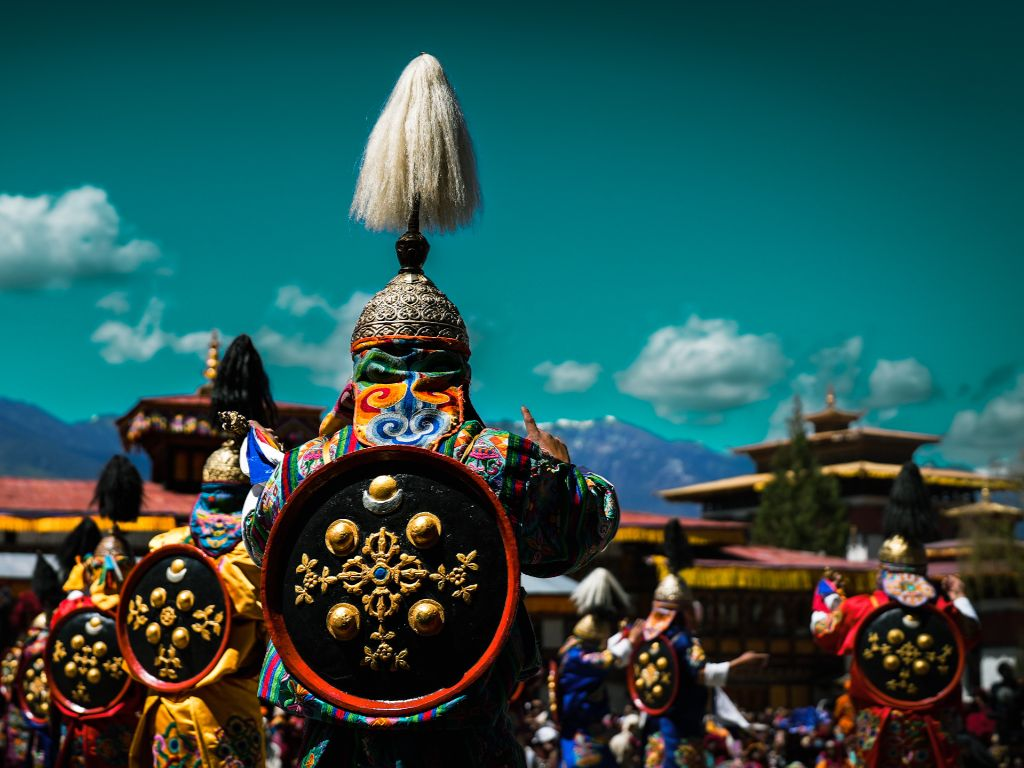
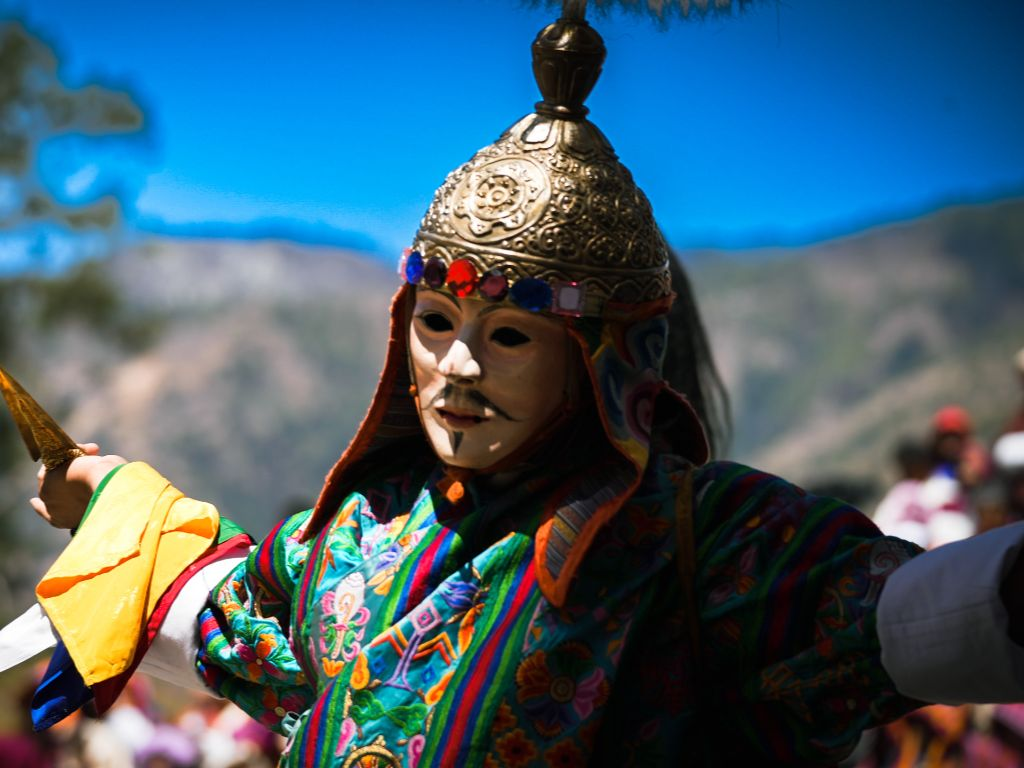
Experience Bhutan at its most vibrant—when spring paints the Himalayas in wild rhododendron blooms and the sacred Paro Tsechu transforms ancient fortresses into living theaters of faith. This carefully curated nine-day journey coincides with Bhutan’s most photogenic season, offering a rare convergence of spiritual pageantry and natural spectacle. You’ll witness the famed Paro Tsechu at its 17th-century dzong, where monks perform masked cham dances passed down through centuries, and rise pre-dawn to witness the thongdrel ceremony—the unfurling of a giant silk thangka so sacred that simply seeing it is believed to confer liberation. Between festival days, traverse the kingdom’s western valleys, from the glacial wetlands of Phobjikha (home to endangered black-necked cranes) to the subtropical Punakha valley with its riverine dzongs. A special highlight is the Lamperi Rhododendron Festival near Dochu La Pass, where alpine forests erupt in crimson, pink, and white blossoms. This is Bhutan in bloom—both culturally and naturally—offering an immersive window into a kingdom where spirituality and landscape are inseparable.
Festival & Seasonal Context
Paro Tsechu Timing & Significance
Held annually in spring (typically late March to early April), the Paro Tsechu honors Guru Rinpoche and celebrates the arrival of the planting season. The festival’s climax—the thongdroel unfurling—occurs at dawn on the final day, when a massive silk thangka covering an entire dzong wall is revealed for just a few hours before being rolled up and stored for another year.
Rhododendron Season
The Lamperi Rhododendron Festival coincides with peak bloom (April-May), when 29 species of rhododendron transform the mountainsides. The festival includes cultural performances, botany exhibitions, and guided nature walks.
What to Bring for the Festival:
  • Warm layers for early morning thongdroel ceremony (2:30 AM can be near freezing)
  • Comfortable shoes for standing in dzong courtyards
  • Hat and sunscreen for daytime exposure
  • Modest dress (cover shoulders and knees) when entering temples

Ready to Witness Bhutan in Full Bloom?
The Paro Tsechu & Rhododendron Pilgrimage is a rare convergence of cultural pageantry and natural splendor. Limited availability during peak festival season—book early to secure premium accommodations and optimal festival viewing positions. Your spring awakening in the Land of the Thunder Dragon awaits.

Highlights

  • Paro Tsechu Immersion: Witness sacred masked dances at Paro Dzong, celebrating Guru Rinpoche's triumph over evil spirits through elaborate cham performances by monks and laymen
  • Thongdrel Blessing at Dawn: Rise at 2:30 AM to witness the unfurling of a massive silk thangka at Paro Dzong—a sacred scroll whose mere sight is believed to grant liberation
  • Rhododendron Spectacle: Attend the Lamperi Rhododendron Festival at the Royal Botanical Garden (8,800 ft), where rare Himalayan rhododendrons bloom in a riot of color and local villages perform cultural dances
  • Phobjikha Valley Sanctuary: Explore the glacial wetlands of Gangtey-Phobjikha, winter home to 300 endangered black-necked cranes, and visit the 17th-century Gangtey Monastery
  • Taktsang Monastery Pilgrimage: Hike to the iconic Tiger's Nest (3,120m), clinging 900 meters above the Paro Valley, where Guru Rinpoche meditated in a cave in 747 CE
  • Sacred Dzongs: Visit Paro's Rinpung Dzong (festival venue), Punakha Dzong (1637) at the confluence of two rivers, and Thimphu's Tashichho Dzong
  • Ancient Temples: Tour Kyichu Lhakhang (7th century), one of 108 temples built by King Songtsen Gampo; Chimilhakhang (fertility temple); and Changangkha Temple (12th century)
  • Cultural Capital: Discover Thimphu's National Memorial Chorten, Folk Heritage Museum with medieval farmhouse replica, and School for Arts & Crafts where students learn 13 traditional arts
  • Himalayan Passes: Cross Dochu La (3,100m) with 108 chortens and panoramic views of Gangkar Puensum and the eastern Himalayan range
  • Scenic Hikes: Trek through rhododendron forests to Khamsum Yuelley Namgyal Chorten, crossing rice terraces and suspension bridges

Included/Excluded

  • All meals [Breakfast / lunch / dinner and evening tea / coffee].
  • Entrance fees for museums and monuments.
  • Accommodation [twin / double sharing basis]. Single room supplement is extra.
  • All transportation within the country, including airport transfers.
  • SDF & government taxes.
  • Bhutan visa fee.
  • English-speaking local guide.
  • Sightseeing.
  • Bottled water.
  • Drukair/Bhutan Airlines fares.
  • Insurance premiums.
  • Single room supplement charges
  • Payments for service provided on a personal basis.
  • Cost for any services not mentioned in the “Cost Include head”.
  • Personal expenses such as laundry, incidentals, horse rides, rafting, bellboy charges, tips for guide & driver.
  • Alcoholic beverages and soft drinks, etc.

Itinerary

Your Druk Air flight delivers one of aviation's most spectacular experiences as you bank between Himalayan giants—Everest, Kanchenjunga, and Bhutan's sacred Jomolhari—before touching down at Paro International Airport (2,200m). Your guide meets you with a ceremonial khadar scarf and assists with customs.
 
After lunch, begin your cultural immersion at the Ta Dzong Museum, a 1649 watchtower now housing Bhutan's National Museum. Its conch-shell spiral galleries display a rare 1,000-armed Avalokiteshvara thangka, ancient weaponry, and a celebrated collection of 3D stamps. Continue to Kyichu Lhakhang, one of 108 temples built in 659 AD by Tibetan King Songtsen Gampo to pin down a demoness obstructing Buddhism. The temple's architecture mirrors Lhasa's Jokhang, and its inner sanctum holds a magnificent golden Buddha Shakyamuni statue flanked by ancient murals. Check into your Paro hotel, nestled beneath forested hills. Evening orientation on festival etiquette. Overnight in Paro.

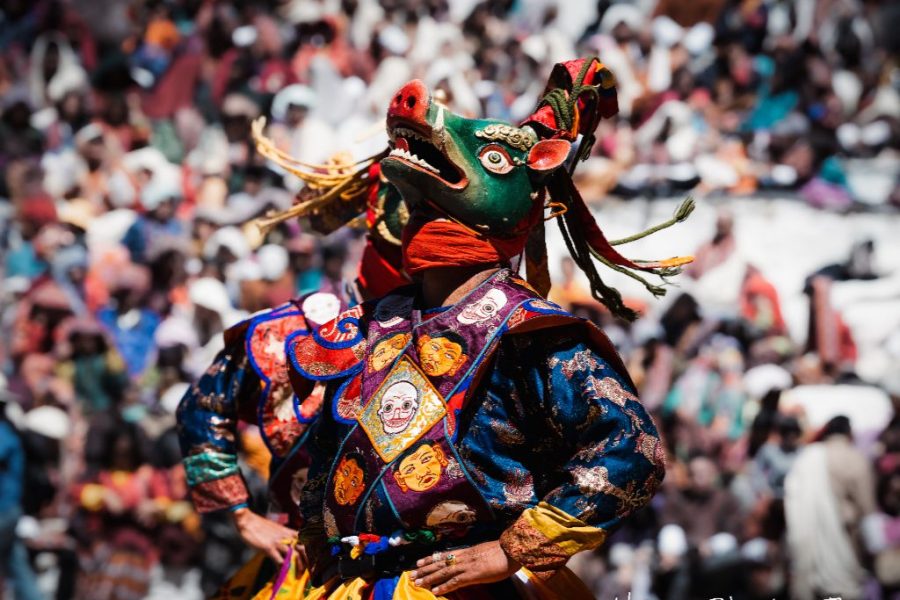
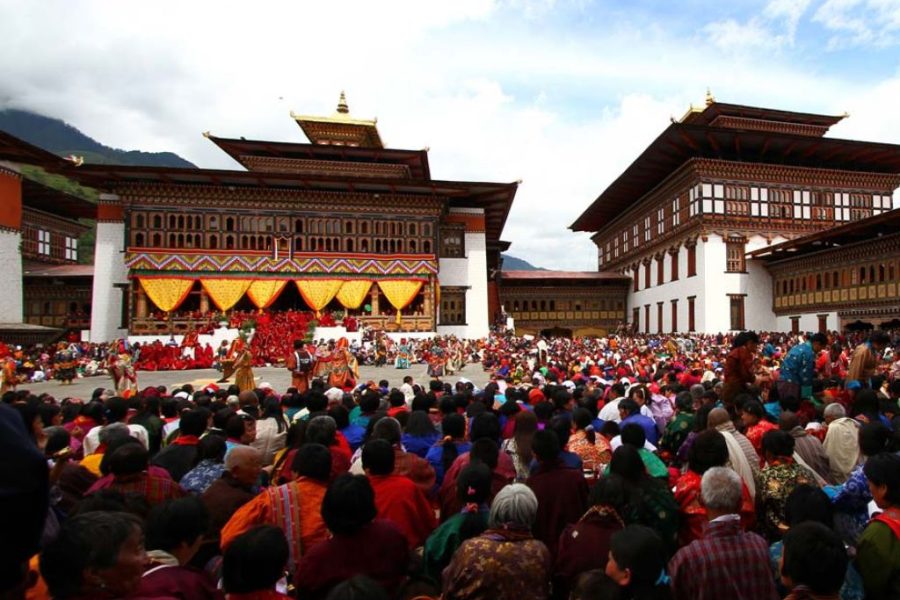
After breakfast, walk to Paro Dzong (Rinpung Dzong), the 15th-century fortress-monastery that becomes the stage for the Paro Tsechu. The courtyard fills with locals in their finest hand-woven ghos and kinas—elaborate silk textiles that represent family wealth and status. Monks in silk brocade masks perform cham dances retelling stories of Guru Rinpoche's subjugation of demons, accompanied by the haunting sounds of trumpets (dungchen), cymbals, and flutes. The Dance of the Four Stags and Dance of the Lords of the Cremation Grounds symbolize the triumph of Buddhist teachings over ignorance. Between performances, explore the dzong's temples where butter lamps flicker before gold-leafed statues. Evening at leisure in Paro's artisan quarter. Overnight in Paro.

2:30 AM Wake-Up: Depart in darkness for Paro Dzong to witness the thongdroel ceremony—the festival's most sacred moment. As the first light touches the horizon, monks unfurl a massive silk thangka measuring several stories high, depicting Guru Rinpoche surrounded by deities. The scroll hangs from the dzong's facade, and thousands gather to receive its blessing—believed to grant liberation from negative karma simply through sight. The atmosphere is reverent and electric, with devotees chanting mantras.
 
After returning to the hotel for rest and breakfast, drive to Thimphu (1.5 hours). En route, stop at Tamchhog Lhakhang, the hereditary estate of Bhutan's famed iron bridge builder Thangtong Gyalpo, a 15th-century saint-engineer who constructed suspension bridges across the Himalayas. Check into your Thimphu hotel at 2,320 meters. Afternoon at leisure—perhaps visit the Buddha Dordenma viewpoint for panoramic valley views. Overnight in Thimphu.

Begin at Kuenselphodrang, home to the world's largest sitting Buddha statue (169 feet), gilded in bronze and housing 125,000 smaller Buddha statues. The viewpoint offers sweeping views of the capital and surrounding valleys.
 
Visit the National Memorial Chorten, a golden-spired stupa built in memory of the Third King, where devotees circumambulate spinning prayer wheels while chanting. Continue to the picturesque Changangkha Temple (12th century), perched on a ridge where parents bring newborns for blessings and astrological readings.
 
Explore the Folk Heritage Museum, featuring a reconstructed medieval farmhouse with authentic household artifacts—wooden butter churns, bamboo baskets, and ancient cooking implements. Walk to the School for Arts & Crafts, where young students master Bhutan's 13 traditional arts (zorig chusum): painting, sculpting, wood carving, and textile weaving.
 
If visiting on a weekend, immerse yourself in the Centenary Farmers Market, Thimphu's vibrant social hub where farmers from 20 valleys trade organic produce, fiery chilies, yak cheese, and handicrafts. The market is a kaleidoscope of color and conversation. Overnight in Thimphu.

Drive 5-6 hours to Phobjikha Valley (3,000m), crossing the Dochu La Pass (3,100m). The pass is marked by 108 white chortens and prayer flags, with clear-day views of almost all Bhutan's snow-capped peaks, including Gangkar Puensum (7,740m), the world's highest unclimbed mountain.
 
En route, take a short walk to Chimilhakhang, the fertility temple of the Divine Madman, located near a café where you'll have lunch. Continue through Wangdue Phodrang, crossing the Puntsangchu River, and ascend into the glacial Gangtey-Phobjikha Valley—a vast U-shaped bowl and RAMSAR-protected wetland. Visit Gangtey Monastery, a 17th-century hilltop monastery belonging to the Nyingmapa sect, with sweeping valley views. If visiting March-May, the valley blooms with rhododendrons; November-March, it's the winter home to 300 endangered black-necked cranes. Check into your hotel in this serene valley. Overnight in Phobjikha.

After breakfast, drive to Punakha (3-4 hours). On arrival, visit Punakha Dzong, the "Palace of Great Happiness" (1637), built as predicted by Guru Rinpoche. This architectural masterpiece at the confluence of the Mo Chu and Pho Chu rivers features four intricately embossed entrance pillars crafted from cypress and decorated in gold and silver.
 
Afternoon: Drive back toward Paro, stopping at the Royal Botanical Garden at Lamperi, 8,800 feet above sea level. Here, the Lamperi Rhododendron Festival celebrates spring with cultural performances by local villages (Hongtso and Thinleygang), showcasing traditional songs and dances. Walk around the small lake within the gardens, where you might spot the elusive red panda, one of the Himalayas' rarest mammals, among the blooming rhododendron forests in shades of crimson, pink, and white. Continue to Paro for overnight.

After breakfast, drive to the Taktsang trailhead. The 1.5-2 hour uphill hike climbs nearly a kilometer above the Paro Valley floor through pine forests. For those unable to hike, horses can be arranged to the cafeteria viewpoint. The monastery appears impossibly glued to a sheer cliff face—built around the cave where Guru Rinpoche meditated for three months after arriving on a tigress in the 8th century.
 
Explore the temples where butter lamps illuminate ancient statues, then descend to a teahouse for refreshments. Afternoon free for last-minute shopping in Paro's artisan quarter—handwoven kira, dzi beads, thangka paintings, or herbal incense. Overnight in Paro.

Breakfast at the hotel, then transfer to Paro International Airport for your onward flight. As Druk Air lifts above the valley, the memories of sacred dances, rhododendron blooms, and the blessings of the thongdrol accompany you. Tashi Delek!

Durations

Fullday (+7hours)

Language

English

Frequently asked questions

Visitors of all nationalities, except those from India, require a visa before entering Bhutan. For all visitors, except those from Bangladesh and the Maldives, this visa must be applied for and approved in advance of travel. Visitors from Bangladesh and the Maldives also require a visa, but this can be applied for and approved either in advance of travel or upon arrival in Bhutan. 

Visitors from India are able to apply for a permit but are required to hold an Indian passport or an Indian voter ID card. For Indian nationals under the age of 18, a passport or a birth certificate can be used to enter and they must be accompanied by a legal guardian.

Nationals from Switzerland and Thailand holding diplomatic or government-official passports are eligible for a visa at their port of entry.

You can apply online for a visa here, or if you’re travelling with a tour operator, they may apply on your behalf. Read more about the visa here

Visitors from Bangladesh and the Maldives requiring a visa can apply either online before travelling or in person upon arrival in Bhutan.

The SDF is USD 100 per night for adults from all countries except for India. Children aged between 6 years and who have not yet turned 12 are eligible to pay USD 50 per night. Children who have not yet turned 6 years old do not have to pay any SDF.

The SDF for Indian nationals (showing a valid Indian passport or Voter ID card) is Nu. 1,200 (or the equivalent amount in Indian rupees) per person, per night. Children aged between 6 years and who have not yet turned 12 are eligible to pay Nu./INR 600 per night. Children who have not yet turned 6 years old do not have to pay any SDF.

Yes, the SDF will be refunded by the Department of Immigration for any cancelled or shortened trips; any bank charges will be deducted from the total refunded. Requests for SDF refunds should be submitted online using the visa portal. The refund will be processed after visitors leave Bhutan.

You can change your local currency for ngultrum upon arrival at Paro International Airport or at banks, larger hotels and authorised currency exchange businesses in Thimphu.

You may bring cash equivalent to US$10,000 into the country.

Tour's Location

From: €0.00

Owner

pravinnepal97

Member Since 2025

Information Contact

Email

[email protected]

Website

travelinbhutan.com

Phone

(+975) 17640486 / 77373370